Iranian Missiles Strike US' Al-Udeid Base In Qatar, No Casualties Reported
Iranian missile strikes US Al-Udeid base in Qatar; no casualties, heightened regional tensions.
advertisement
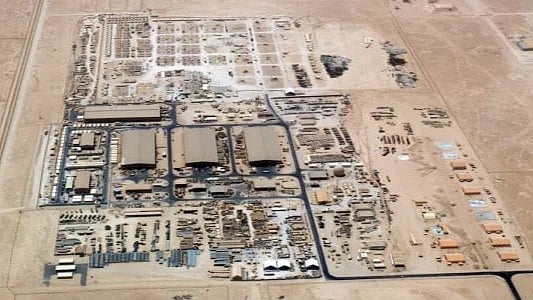
An Iranian ballistic missile struck the United States military base at Al-Udeid in Qatar on 3 March 2026. The attack was part of a series of retaliatory strikes by Iran across the Gulf region following U.S.-Israeli military operations targeting Iranian assets. According to official statements, the missile impacted the base but resulted in no casualties among U.S. or Qatari personnel. Air defence systems in Qatar successfully intercepted a second missile aimed at the country.
As reported by The Hindu, Qatar’s Defence Ministry confirmed that two missiles targeted the nation, with one being intercepted and the other striking the Al-Udeid base. The ministry stated, “Air defence systems successfully intercepted one of the missiles, while the second missile struck Al-Udeid Qatari Base without causing any casualties.”
Qatar’s state security apparatus subsequently announced the dismantling of two spy cells linked to Iran’s Revolutionary Guards. Details provided indicated that ten suspects were arrested, with seven accused of espionage and three of planning sabotage operations. The suspects reportedly admitted their connections to the Revolutionary Guards and their assigned tasks during the investigation.
According to BBC, Iran’s missile attacks on Gulf countries, including Qatar, are part of a broader response to U.S. and Israeli military actions against Iranian targets. Bahrain, the United Arab Emirates, Saudi Arabia, and Oman have also experienced strikes during this escalation. The U.S. maintains a significant military presence in the Gulf, with over 13,000 American soldiers stationed in Kuwait and additional forces at bases such as Al-Udeid in Qatar.
Regional security concerns have intensified as recent coverage highlighted the impact of the conflict on energy supplies and the safety of expatriate populations. India, for example, has been monitoring the situation closely due to the large number of its citizens residing in Gulf countries and the potential disruption to liquefied natural gas imports from Qatar.
“Air defence systems successfully intercepted one of the missiles, while the second missile struck Al-Udeid Qatari Base without causing any casualties,” Qatar’s Defence Ministry stated.
Explosions were reported across Doha and other Gulf cities during the missile and drone barrages. Analysis showed that air defence operations were active in multiple locations, with authorities in Dubai and Abu Dhabi also confirming interception activities and heightened security measures.
In the aftermath of the strike, the U.S. State Department ordered the evacuation of non-emergency personnel and their families from embassies in several Gulf countries, including Qatar. Reporting indicated that these measures were taken due to increased safety risks amid ongoing hostilities and retaliatory actions in the region.
Qatar’s official press agency reported that the arrested suspects linked to Iran’s Revolutionary Guards were tasked with gathering intelligence on vital and military infrastructure, as well as preparing for sabotage. The agency stated that the suspects “admitted during the investigation their links to the Revolutionary Guards and having been instructed to conduct espionage and sabotage activities.”
“Close surveillance made it possible to arrest 10 suspects: seven were tasked with spying and gathering information about vital and military infrastructure in the country, and three were meant to carry out sabotage operations,” the Qatari agency reported.
Broader regional tensions remain high, with ongoing military operations and security alerts across the Gulf. Coverage revealed that other U.S. bases and allied facilities in the region have also been targeted, contributing to a volatile security environment and prompting international calls for de-escalation.
Note: This article is produced using AI-assisted tools and is based on publicly available information. It has been reviewed by The Quint's editorial team before publishing.