Iran Rejects Second Round of Talks with US Following Seizure of Cargo Ship
The situation has heightened tensions as a fragile ceasefire nears expiration.
advertisement
Iran has officially declined to participate in new negotiations with the United States, citing Washington’s excessive demands, shifting positions, and the ongoing US naval blockade of Iranian ports.
According to The Hindu, Iranian state media reported that Tehran is not planning to attend the next round of talks with the US in Pakistan.
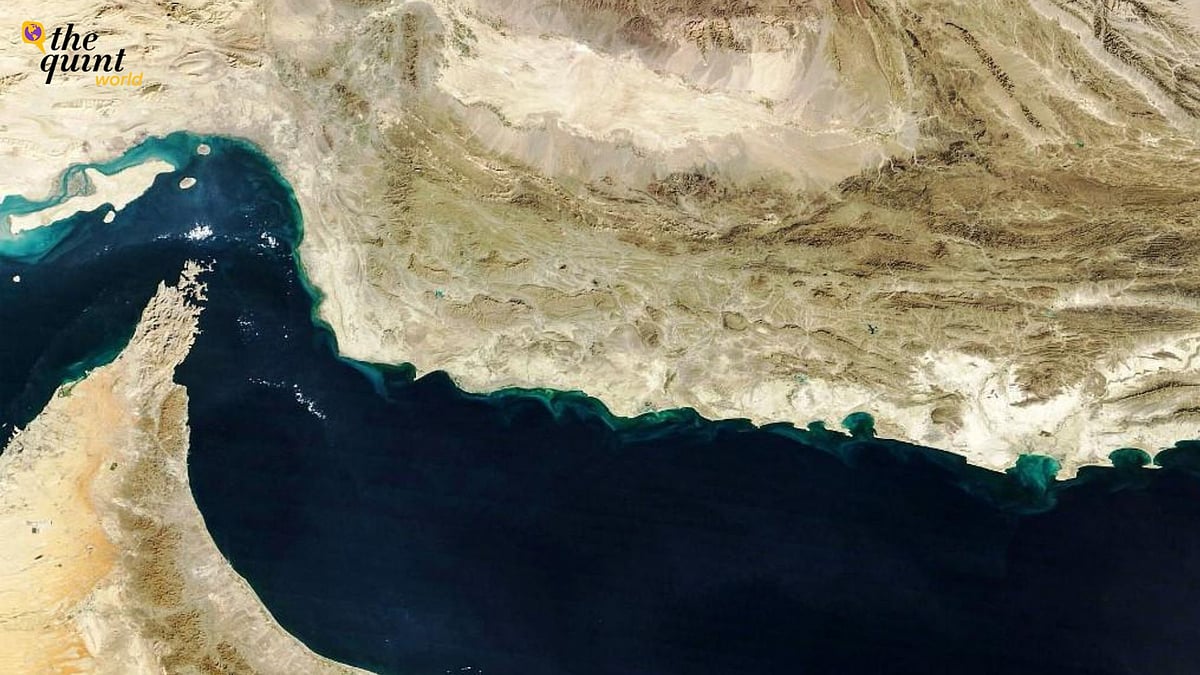
The situation has heightened tensions as a fragile ceasefire nears expiration, with both sides accusing each other of violations and the Strait of Hormuz remaining a focal point of the standoff.
As reported by The Indian Express, US President Donald Trump had announced that a delegation would travel to Islamabad for negotiations, describing the talks as a “last chance” for Iran.
However, Iranian officials declared that any peace deal now stands cancelled, and the Strait of Hormuz is fully closed again, reflecting a deepening trust deficit between the two countries.
As highlighted by Hindustan Times, Iranian sources stated that their absence from the talks is due to what they described as Washington’s “excessive demands, unrealistic expectations, constant shifts in stance, repeated contradictions, and the ongoing naval blockade.”
The US seizure of the Iranian ship Touska was labelled by Iranian military officials as “armed piracy,” with warnings of imminent retaliation.
As noted in an article by Financial Express, the official rejection of negotiations was announced after the vessel seizure, with Iran’s military command vowing to respond. The US had claimed the ship was attempting to breach the blockade, and President Donald Trump warned of further strikes if Iran did not accept the proposed deal.
“Iran will soon respond and retaliate against this maritime and armed robbery by the US Military,” stated Iran’s top Joint Military Command, as quoted by state media.
Coverage revealed that Iranian officials accused the US of “overreach, unreasonable and unrealistic demands, frequent changes in positions, continuous contradictions,” and maintained that the peace deal is now cancelled.
Iranian state television quoted a negotiator saying there was no clear path toward productive talks, and the Strait of Hormuz would remain closed unless restrictions were lifted.
Diplomatic efforts by Pakistan to mediate have continued following reports that Pakistani authorities were tightening security in Islamabad in anticipation of talks.
However, Iran’s Supreme National Security Council reiterated that the blockade is a violation of the ceasefire and that Iran would prevent any conditional reopening of the strait.
The reasons for Iran’s refusal to join the talks were further detailed in analysis, which cited official statements blaming the US for “unrealistic expectations” and the continuation of the naval blockade. Tehran has insisted that normal transit through the Strait of Hormuz will not resume while the blockade remains in place.
“There are currently no plans to participate in the next round of Iran-US talks,” Iran’s state broadcaster IRIB said, according to official sources.
The ongoing blockade and recent military actions have also impacted global oil markets, with Brent crude prices rising sharply as details emerged. The situation remains volatile, with no indication of a breakthrough as the ceasefire deadline approaches.
Note: This article is produced using AI-assisted tools and is based on publicly available information. It has been reviewed by The Quint's editorial team before publishing.