Iran Attacks Tel Aviv a Day After Trump's 'Postponing Strikes' Statement
<p>Iran and Israel exchange missile strikes as diplomatic efforts and denials of talks continue.</p>
advertisement
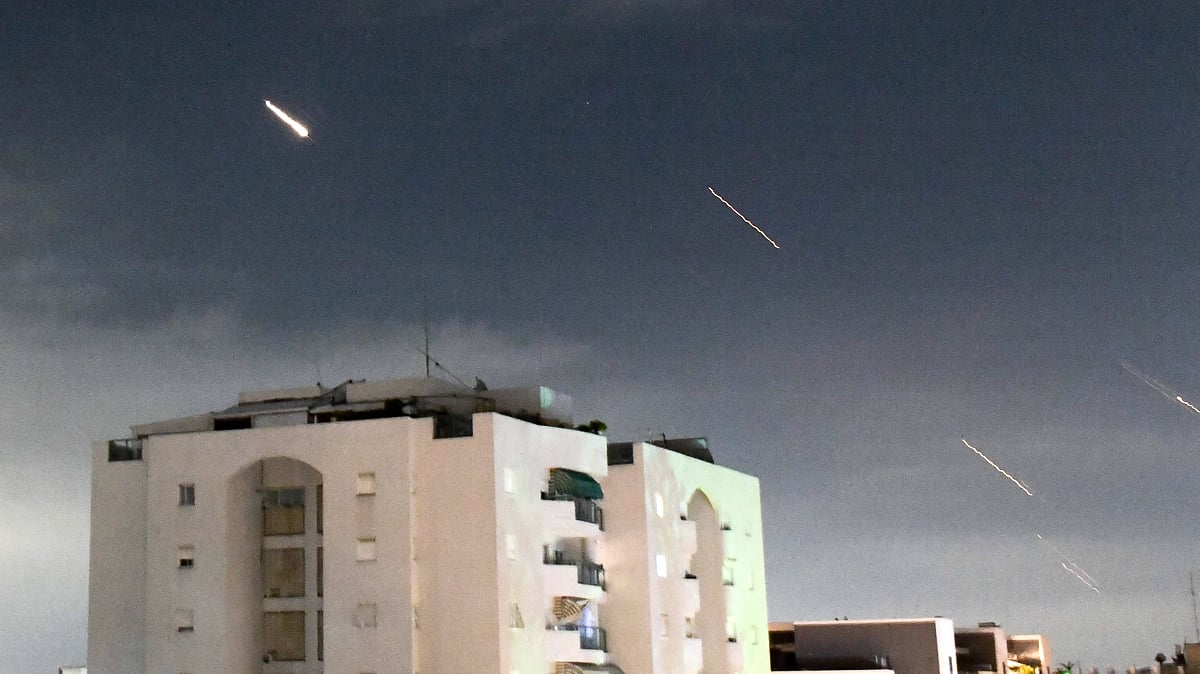
On 24 March 2026, Iran launched multiple waves of missiles targeting Israel, including residential areas in Tel Aviv, while Israel responded with strikes on sites in Lebanon and Iran. Emergency services in Israel reported minor injuries and property damage. Simultaneously, diplomatic activity intensified, with conflicting statements from the United States, Iran, and Israel regarding the possibility of negotiations to end the ongoing conflict. Oil prices fluctuated sharply in response to these developments.
According to Deccan Herald, Iranian missile barrages struck central Israel, damaging a building in Tel Aviv and causing light injuries to four people. The mayor of Tel Aviv confirmed a direct hit, and emergency personnel responded to the scene. The attack followed warnings and was part of a broader escalation involving strikes on energy infrastructure and military targets in the region.
As reported by Hindustan Times, United States President Donald Trump announced a temporary halt to planned strikes on Iranian energy infrastructure, citing "productive talks" with Tehran. However, Iranian officials, including the parliament speaker, denied any negotiations with the US, calling such claims attempts to manipulate financial markets. Oil prices initially dropped following Trump's announcement but rebounded after Iran's denial.
As highlighted by The News Minute, Iranian missiles and drones also targeted Gulf Arab states, with reports of power outages in Kuwait and missile alerts in Bahrain and Saudi Arabia. Israel continued its military operations, striking targets in Beirut and southern Lebanon, and Prime Minister Benjamin Netanyahu stated that Israel would persist with its actions against Iran and Lebanon.
"No negotiations have been held with the US," Iranian parliament Speaker Mohammad Bagher Qalibaf posted on X, adding that "fakenews is used to manipulate the financial and oil markets."
As noted in an article by The Hindu, President Donald Trump claimed that discussions with Iran were "very good and productive," leading to a five-day postponement of US military strikes. Despite these statements, Iran's foreign ministry denied any talks, and both sides maintained firm positions. Israeli strikes also targeted Hezbollah infrastructure in Beirut, and the Israeli military reported capturing two Hezbollah members in southern Lebanon.
Eyewitness accounts described smoke and debris in Tel Aviv following the missile impact, with emergency services treating several people for minor injuries. Police confirmed that the explosion was caused by an Iranian warhead, and rescue teams searched the affected area for additional casualties.
Diplomatic efforts continued as coverage revealed that Islamabad was being considered as a potential venue for US-Iran talks. However, US officials described reports of imminent meetings as speculative, and Iran had not formally agreed to any negotiations.
"President Trump believes there is a chance to leverage the tremendous achievements of the IDF and the US military in order to realise the war’s objectives in an agreement -- an agreement that will safeguard our vital interests," Prime Minister Benjamin Netanyahu said in a video statement.
Military operations extended beyond Israel and Iran, as analysis showed that the February 28 US-Israeli strikes on Iran were preceded by high-level discussions between Donald Trump and Benjamin Netanyahu. Intelligence assessments and strategic considerations influenced the timing and scope of the attacks, which targeted Iranian leadership and military infrastructure.
Regional impacts were significant, with reporting indicated that Israeli strikes in Lebanon resulted in casualties and damage to residential areas. Iran continued to launch new waves of missiles at Israel, and both sides maintained active military postures amid ongoing diplomatic uncertainty.
Note: This article is produced using AI-assisted tools and is based on publicly available information. It has been reviewed by The Quint's editorial team before publishing.