Markets Soar Following Announcement of India-US Trade Deal, Tariff Reduction
India-US trade deal triggers record stock market rally; tariff cuts boost investor sentiment.
advertisement
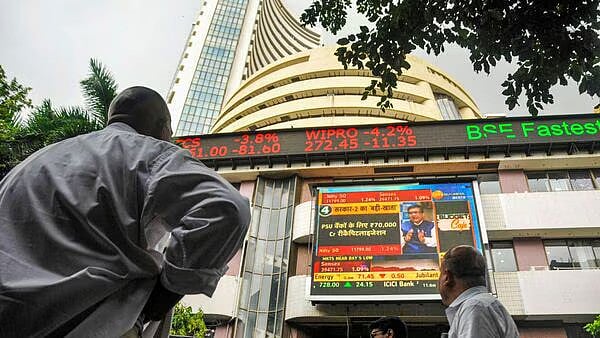
Indian stock markets experienced a historic rally on 3 February 2026 following the announcement of a trade agreement between India and the United States. The deal, which reduces US tariffs on Indian goods from 50% to 18%, led to a surge in both the Sensex and Nifty indices. Export-oriented sectors, particularly textiles and leather, saw significant gains. The agreement also prompted optimism among investors, with the GIFT Nifty indicating a strong gap-up opening for the session.
According to The Hindu, the Sensex jumped 4,205.27 points, or 5.14%, to close at 85,871.73, while the Nifty rose 1,252.8 points, or 4.99%, to 26,341.20. The rally was attributed to the removal of a major overhang on export-oriented sectors, as the reduction in tariffs is expected to improve competitiveness and boost corporate earnings.
As reported by Hindustan Times, the announcement of the trade deal led to a sharp surge in the GIFT Nifty, which was trading at a premium of nearly 797 points over the previous close. Market experts highlighted that export-oriented sectors such as pharma, IT, auto, textiles, and gems and jewellery were expected to benefit directly from the lower tariffs.
As highlighted by The Indian Express, foreign institutional investors had previously withdrawn nearly $12 billion from Indian equities since August 2025 due to high tariffs and currency pressures. The trade deal is anticipated to reverse this trend, with analysts predicting renewed foreign investment and a strengthening rupee. Textile and shrimp exporter stocks were among the top gainers, with some hitting their upper circuit limits after surging as much as 20%.
“The dramatic announcement of the long-awaited U.S.-India trade deal and the U.S. decision to cut tariffs on India from 50% to 18% is a game changer for the Indian economy and stock markets,” said V.K. Vijayakumar, Chief Investment Strategist at Geojit Investments Limited.
Mid-session analysis showed that the positive macroeconomic outlook, driven by the trade agreement, is likely to keep interest rates stable and attract foreign institutional investors who had been waiting on the sidelines. The narrowing valuation premium of Indian equities further contributed to their attractiveness.
Sectoral performance following the deal was particularly strong in textiles, leather, and export-oriented manufacturing. Shares of K.P.R. Mill, Garware Technical Fibres, and Welspun Living surged nearly 20%, while leather and footwear companies such as Bhartiya International and Bata India also posted significant gains.
“This reduction in tariff will ensure our textile and apparel exporters are once again in a position to compete effectively in the US market, the single-largest market for India’s textile and apparel exports. This deal will also ensure that factories can run at full steam once more and job creation can get back to previous levels,” said Ashwin Chandran, Chairman of the Confederation of Indian Textile Industry.
In the broader context, coverage revealed that the trade deal is expected to reaffirm India’s position as a key US ally and a counterweight to China. The agreement is also seen as a catalyst for the “China+1 strategy,” encouraging global companies to diversify supply chains by investing in India alongside China.
Investor sentiment remained positive as the session progressed, with market participants closely monitoring the implementation of the trade deal and its impact on sectoral earnings. Despite some concerns about the timing and broader implications, the consensus among analysts was that the agreement would provide a significant boost to India’s export competitiveness and overall economic growth.
Note: This article is produced using AI-assisted tools and is based on publicly available information. It has been reviewed by The Quint's editorial team before publishing.