India’s Iron Ore Imports Set to Hit Seven-Year High
Analysts expect that (iron) pellet imports from Iran may decline due to ongoing geopolitical tensions in West Asia.
advertisement
India’s iron ore imports are expected to reach between 12 million and 14 million metric tons in the fiscal year ending 31 March 2026, more than doubling from the previous year.
This surge is attributed to a shortage of high-grade ore and increased demand from major steel producersAccording to The Hindu, JSW Steel has played a significant role in driving these imports, sourcing iron ore for its mills in western and southern India.
The projected import volume would mark the highest level in seven years.
Industry analysts have noted that the bulk of these imports originate from Brazil and Oman, which together account for approximately 70 percent of total shipments to India.
From April to February, India imported 1.88 million metric tons of iron ore pellets, a sixfold increase compared to the same period a year earlier.
However, analysts expect that pellet imports from Iran may decline due to ongoing geopolitical tensions in West Asia and related trade uncertainties.
“Indian pellet imports from Iran could decline amid heightened geopolitical tensions and associated trade uncertainties, while ample domestic pellet availability is likely to constrain import demand,” BigMint stated, as cited in the industry analysis.
“Indian pellet imports from Iran could decline amid heightened geopolitical tensions and associated trade uncertainties, while ample domestic pellet availability is likely to constrain import demand,” BigMint said.
Looking ahead, experts suggest that India’s iron ore imports may remain elevated depending on grade requirements and plant-level supply dynamics.
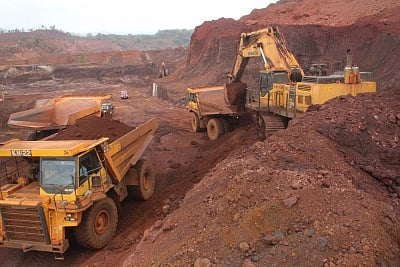
Industry data indicates that India’s iron ore output is also set to rise, with production expected to reach 305 million metric tons in 2025–26, up from 289 million metric tons a year earlier.
However, the increase in domestic output has not offset the need for high-grade imports, as Indian steel mills require specific ore grades not always available locally.
Indian mining officials clarified that the country primarily exports low-grade iron ore, which is generally unsuitable for domestic steel production as coverage revealed.
The ramp-up in domestic mining is expected to continue, but the specific needs of steelmakers for high-grade ore will likely sustain import demand as analysis showed.
In addition to the import surge, the rare arrival of BHP’s Jimblebar Fines iron ore cargo in India, following its ban for sale in China, has been noted as a result of product discounts. This development highlights the shifting dynamics in global iron ore trade and India’s evolving sourcing strategies as details emerged.
Note: This article is produced using AI-assisted tools and is based on publicly available information. It has been reviewed by The Quint's editorial team before publishing.