Harish Rana, India’s First Passive Euthanasia Case, Dies After 13 Years in Coma
Harish Rana, India’s first passive euthanasia case, dies at AIIMS after Supreme Court ruling.
advertisement
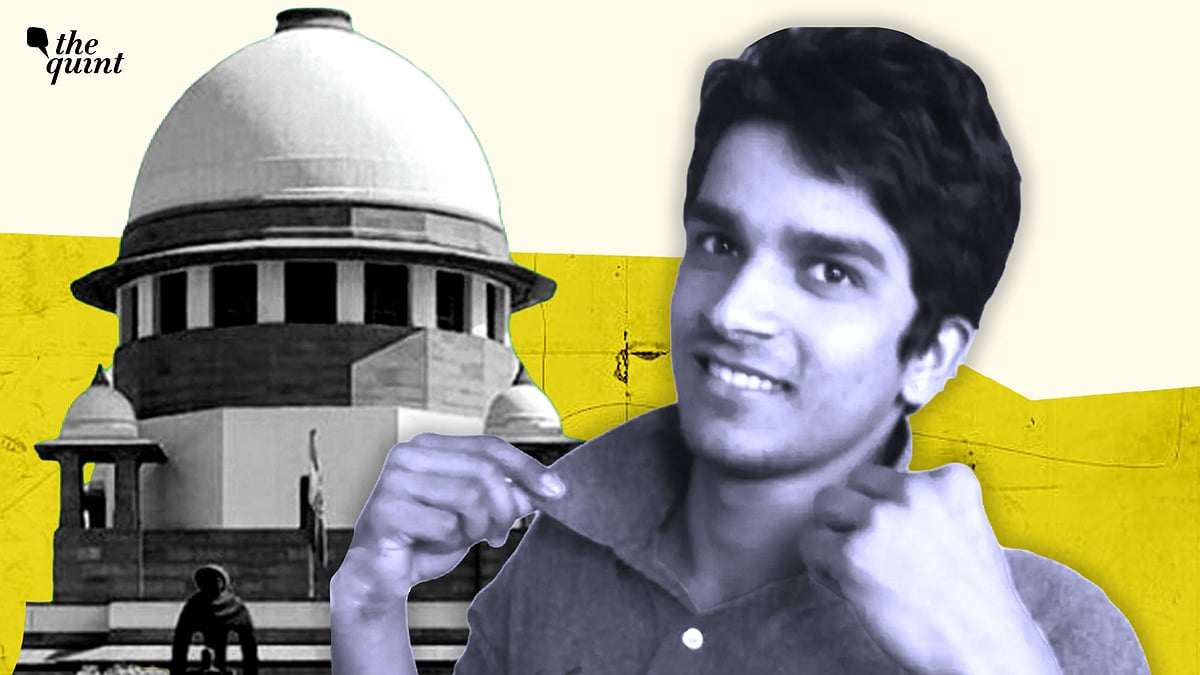
Harish Rana, aged 31, passed away at the All India Institute of Medical Sciences (AIIMS), New Delhi, on 24 March 2026. He had been in a coma since 2013 following a severe head injury sustained from a fall. Earlier this month, the Supreme Court of India permitted the withdrawal of his life support, making him the first person in the country to be legally allowed passive euthanasia. His death followed the gradual withdrawal of artificial nutrition and medical support as per the court’s directive.
According to Siasat, Harish Rana was admitted to the palliative care unit at Dr BR Ambedkar Institute Rotary Cancer Hospital, AIIMS, on 14 March 2026. The Supreme Court’s ruling on 11 March 2026 allowed for the withdrawal of life support, following recommendations from medical boards that further treatment would only prolong biological existence without hope of recovery.
As reported by The Hindu, Harish Rana’s case was overseen by a specialised medical team led by Dr Seema Mishra, professor and head of anaesthesia and palliative medicine at AIIMS. The team included experts from neurosurgery, onco-anaesthesia, palliative medicine, and psychiatry, ensuring the process was conducted with dignity and in accordance with the Supreme Court’s guidelines.
In the days following the Supreme Court’s decision, coverage revealed that the process of passive euthanasia involved gradually withholding nutritional support and providing palliative sedation to prevent distress. The withdrawal of life support was carried out in stages, with approvals from two medical boards as mandated by Indian law.
Family members stated that the Supreme Court’s decision was not for personal benefit but intended to help others in similar situations as details emerged. Harish’s father, Ashok Rana, expressed that the move would restore his son’s dignity after years of irreversible suffering.
“His family never left his side,” the Supreme Court noted, commending Ashok and Nirmala Rana for their care and dedication throughout Harish’s prolonged illness.
Legal experts noted that the Supreme Court’s 11 March 2026 judgment was the first to allow passive euthanasia for an individual in India following the ruling. The court directed that life support be withdrawn with a tailored plan to maintain dignity and asked the Union government to consider comprehensive legislation on passive euthanasia.
Medical assessments confirmed that Harish Rana survived only through clinically administered nutrition via percutaneous endoscopic gastrostomy tubes as confirmed by officials. The medical boards unanimously concluded that continued treatment would merely prolong biological existence without any possibility of recovery.
Guidelines for passive euthanasia in India require the formation of primary and secondary medical boards to certify the withdrawal of artificial life support according to the process. The Supreme Court’s order aligns with its 2018 Common Cause judgment, which recognised the right to die with dignity as a fundamental right under Article 21 of the Constitution.
“May Harish Rana rest in peace. May his parents and his brother find a quiet peace of their own amid what has been a very long loss for them,” said journalist and activist Pinki Virani, who advocated for euthanasia rights in India.
In the aftermath of the ruling, the Supreme Court also directed that chief medical officers in all districts maintain a panel of registered medical practitioners for nomination to secondary medical boards as stipulated in the guidelines. The court’s decision is expected to influence future cases involving terminally ill patients and the withdrawal of life support in India.
Note: This article is produced using AI-assisted tools and is based on publicly available information. It has been reviewed by The Quint's editorial team before publishing.