'Genocide': Allahabad HC Refuses To Quash 1984 Kanpur Anti-Sikh Riot Cases
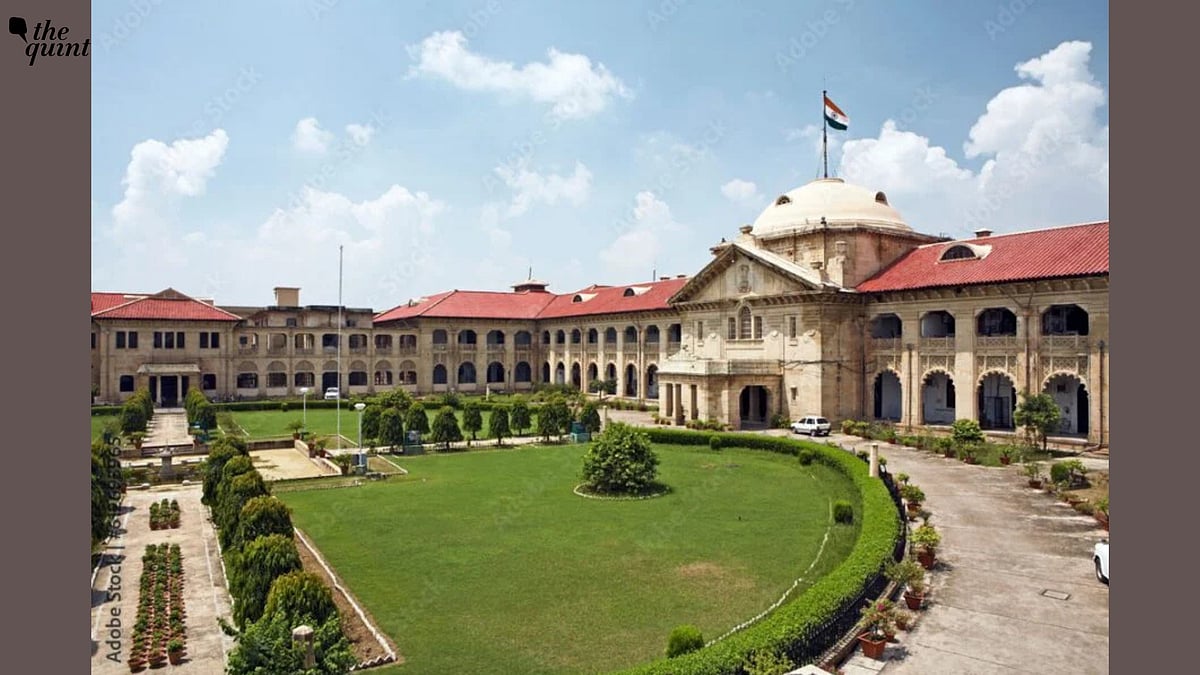
Allahabad High Court declines to quash criminal proceedings in 1984 Kanpur anti-Sikh riots cases.
advertisement
The Allahabad High Court has rejected petitions filed by nine individuals seeking to quash criminal proceedings related to the 1984 anti-Sikh riots in Kanpur. The court described the violence as a 'genocide' and a 'crime against humanity', ruling that delays in recording witness statements and the absence of original police records do not justify quashing the cases. The bench dismissed seven connected applications from the accused, upholding the continuation of proceedings before the Chief Judicial Magistrate, Kanpur Nagar.
According to Live Law, the court noted that FIRs were lodged immediately after the incidents, but final reports were submitted exonerating the accused. Subsequently, the central government appointed the Justice Nanavati Commission to investigate the anti-Sikh riots, and the Supreme Court later constituted a Special Investigation Team (SIT) to reinvestigate cases where FIRs could be reconstructed.
The SIT conducted investigations, examined witnesses, and filed charge sheets against the applicants, after which the Chief Metropolitan Magistrate took cognisance. Coverage revealed that the accused argued the lack of original records and the timing of witness statements undermined the fairness of the trial and their rights under Article 21 of the Constitution.
The State, represented by Additional Advocate General Manish Goyal, opposed the petitions, emphasising that the Supreme Court had directed reinvestigation despite missing records. The State also cited the Supreme Court's ruling in Sajjan Kumar vs CBI, which held that proceedings should not be closed solely due to delay. Analysis showed that the High Court agreed with these submissions, observing that final reports were filed hastily to protect the accused and that original records had been destroyed or lost.
“…the incident in the instant case is part of larger chain of incidents which have taken place against the Sikh community throughout the country after the assassination of late Prime Minister Smt. Indira Gandhi. The nature of the incidents was like a genocide against a particular community in which various innocent persons were killed, ablazed alive, house and properties were burnt, destroyed and looted and such a large scale crime, committed against humanity gone unnoticed and in almost all such cases the final reports were submitted in a hurried manner to save various accused persons, who were involved in the incident,” the bench remarked.
The High Court further noted that the Supreme Court had directed the reinvestigation of cases with reconstructed FIRs, and that categorical witness testimonies identified the accused as part of the violent mob. Reporting indicated that the court found a prima facie case was clearly established against the applicants, warranting the continuation of criminal proceedings.
The bench referenced the Supreme Court's July 2025 order, which requested the High Court to prioritise and expedite matters related to the anti-Sikh riots. The court also clarified that the defence of alibi raised by one accused must be addressed during trial and cannot serve as grounds for quashing the case at this stage. The High Court concluded that the passage of time since the incident does not justify quashing the proceedings as details emerged.
The court stated, “The defence of alibi pleaded by one of the accused must be proved during the trial court proceedings and cannot serve as a basis for quashing the case.”
Note: This article is produced using AI-assisted tools and is based on publicly available information. It has been reviewed by The Quint's editorial team before publishing.