At Least 40 Iranian School Students Killed In Israel-US Strike
The attack was part of a series of strikes attributed to US and Israeli forces targeting sites in Iran.
advertisement
A girls’ primary school in Minab County, Hormozgan province, southern Iran, was struck during coordinated military operations involving the United States and Israel on 28 February.
Iranian state media reported that at least 40 students were killed and dozens more injured. The incident occurred amid a broader escalation of hostilities in the region, with retaliatory actions and heightened security measures across multiple countries.
According to The Hindu, the state-run IRNA news agency confirmed that the death toll from the strike on the girls’ school had risen to 40. The attack was part of a series of strikes attributed to US and Israeli forces targeting sites in Iran, following a period of escalating tensions and failed diplomatic negotiations.
As reported by Deccan Herald, the strike specifically targeted a primary school in Minab, resulting in the deaths of young students. State media also indicated that the number of injured students was significant, though precise figures varied across initial reports.
Further details emerged as coverage revealed that the strike on the school was part of a larger military campaign.
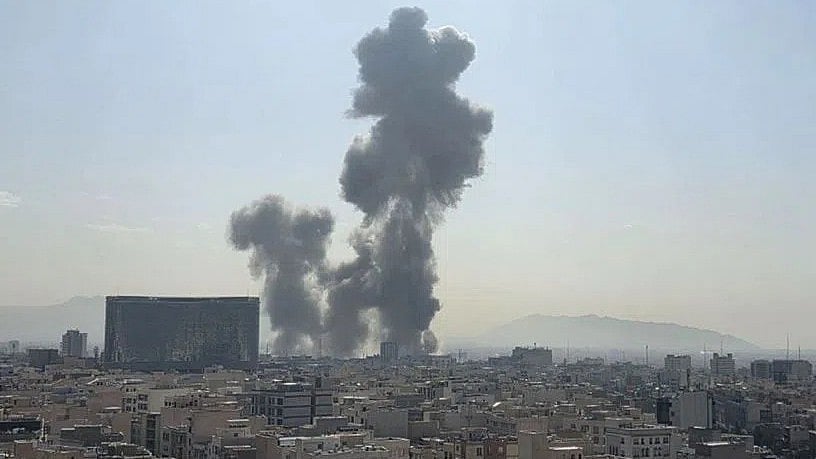
The operation, described as a joint effort by the United States and Israel, led to widespread explosions in Tehran and other Iranian cities, prompting immediate retaliatory missile launches by Iran against US and Israeli targets in the region.
In the aftermath, reporting indicated that both Iran and Israel closed their airspace to civilian flights, and internet connectivity was disrupted in parts of Iran. The Israeli military stated that it had targeted “hundreds of Iranian military targets,” while Iranian authorities vowed a decisive response to what they described as military aggression.
Regional repercussions were also significant, with further updates confirming that air raid sirens and explosions were reported in several Gulf countries. In the United Arab Emirates, shrapnel from a missile attack killed one civilian, and multiple nations issued advisories for their citizens to remain vigilant.
International airlines suspended or rerouted flights across the Middle East as flight disruptions spread due to the closure of airspace over Iran, Iraq, and neighboring countries.
The security situation remained tense, with authorities in affected regions urging residents to follow official guidance and avoid unverified information.
“Protection of civilians and international humanitarian law is a priority. Our consular network is fully engaged in facilitating departures for EU citizens,” stated European Union officials, emphasising the need for restraint and civilian safety.
Amid the crisis, as per reports, Iranian officials denied reports of high-level military casualties, confirming that Defence Chief Amir Hatami was safe and actively commanding forces. The broader conflict continued to draw international condemnation and calls for de-escalation.
Student activism and public dissent intensified in Iran following the attack, as coverage revealed that university students organised protests and memorials for those killed. These demonstrations reflected ongoing domestic unrest and demands for accountability amid the violence.
Note: This article is produced using AI-assisted tools and is based on publicly available information. It has been reviewed by The Quint's editorial team before publishing.