Drone Strike Temporarily Shuts Saudi Aramco’s Ras Tanura Refinery
The refinery, located on Saudi Arabia’s Gulf coast, serves as a critical export terminal for Saudi crude oil.
advertisement
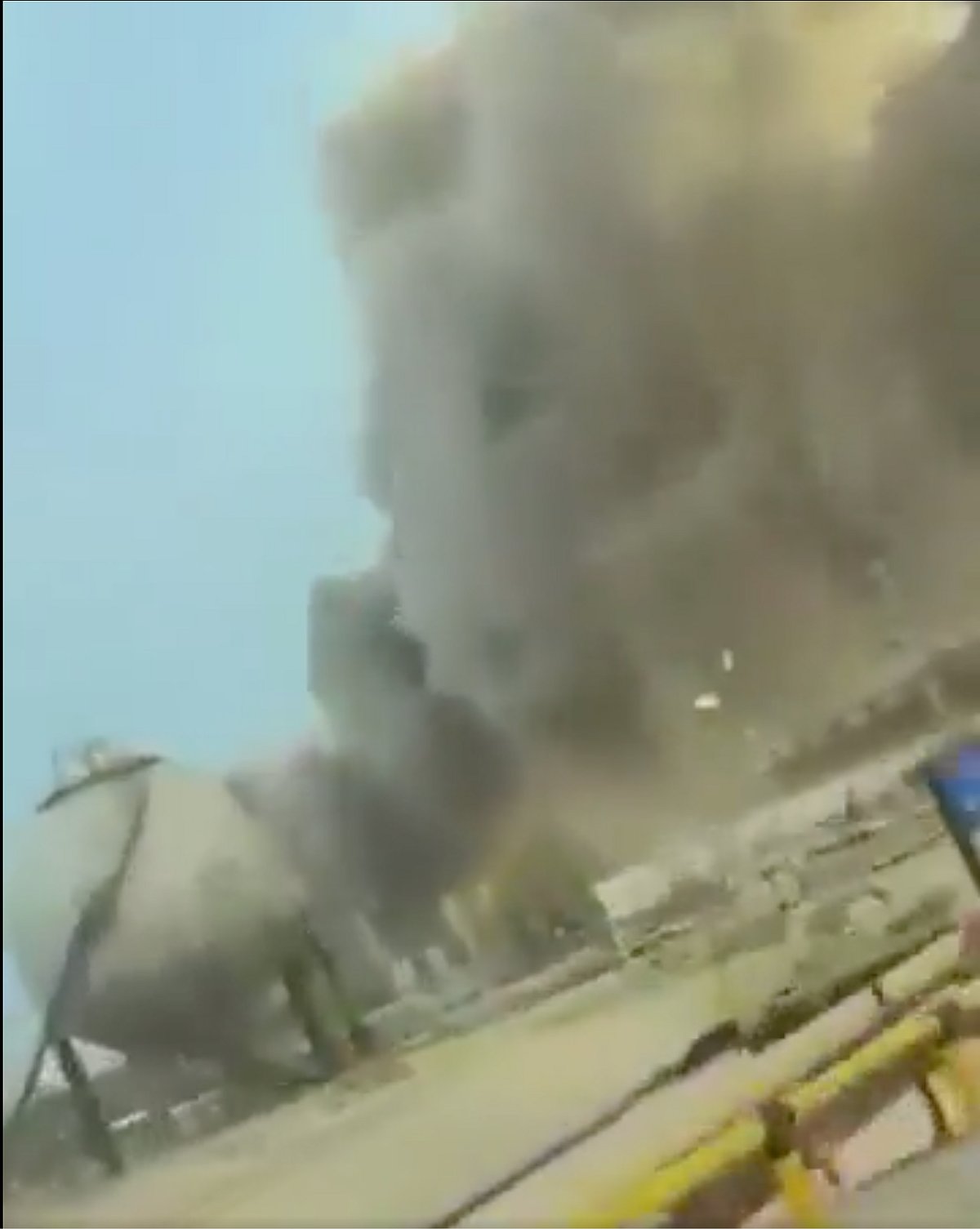
On 2 March 2026, Saudi Aramco’s Ras Tanura oil refinery was temporarily shut down after being targeted by a drone strike. The incident resulted in a limited fire at the facility, which was quickly brought under control. No injuries were reported. The refinery, located on Saudi Arabia’s Gulf coast, is one of the largest in the region and serves as a critical export terminal for Saudi crude oil.
According to Hindustan Times, the Ras Tanura refinery was shut as a precautionary measure following the drone attack, which marked a significant escalation in the ongoing conflict involving Iran, the United States, and Israel. The Saudi Defence Ministry confirmed that two drones were intercepted at the facility, with debris causing a limited fire but no casualties.
As reported by The Hindu, Saudi state television cited an official source stating that the shutdown was a precautionary decision. The refinery, which has a capacity of over 550,000 barrels per day, resumed operations after authorities ensured the situation was under control.
As highlighted by The Indian Express, the drone strike on Ras Tanura was part of a broader wave of Iranian retaliatory attacks following joint US-Israel operations. Saudi Arabia also intercepted missiles targeting Riyadh’s international airport and the Prince Sultan Airbase, with air defences successfully preventing further damage or casualties.
As noted in an article by Deccan Herald, the Ras Tanura refinery is a key component of Saudi Arabia’s energy infrastructure. The shutdown, though temporary, contributed to a surge in global oil prices, with Brent crude futures rising by approximately 10% to over $82 a barrel on the day of the incident.
“The attack on Saudi Arabia’s Ras Tanura refinery marks a significant escalation, with Gulf energy infrastructure now squarely in Iran’s sights,” said Torbjorn Soltvedt, principal Middle East analyst at risk intelligence firm Verisk Maplecroft, as quoted by multiple sources.
Further details indicated that the Islamic Revolutionary Guard Corps (IRGC) claimed responsibility for the operation, describing it as part of a broader campaign targeting US and Israeli interests in the region. The IRGC referred to the attack as “opening massive gates of fire.”
Operational updates from the region showed that other Gulf states, including Kuwait, also faced drone threats during the same period, with air defences intercepting multiple hostile drones and preventing further escalation.
Market analysis confirmed that the attacks across the Gulf, including on energy infrastructure in the UAE and Saudi Arabia, led to increased volatility in oil markets and heightened concerns over regional supply disruptions.
Industry sources noted that the use of drones in these attacks reflects a broader trend in modern conflict, where unmanned aerial vehicles are increasingly deployed for both offensive and defensive operations in the Middle East.
Note: This article is produced using AI-assisted tools and is based on publicly available information. It has been reviewed by The Quint's editorial team before publishing.