Domestic LPG Cylinder Price Rises By Rs 60 Amid West Asia Conflict
The new rate for a non-subsidised 14.2 kg LPG cylinder in Delhi is now Rs 913, the highest since August 2023.
advertisement
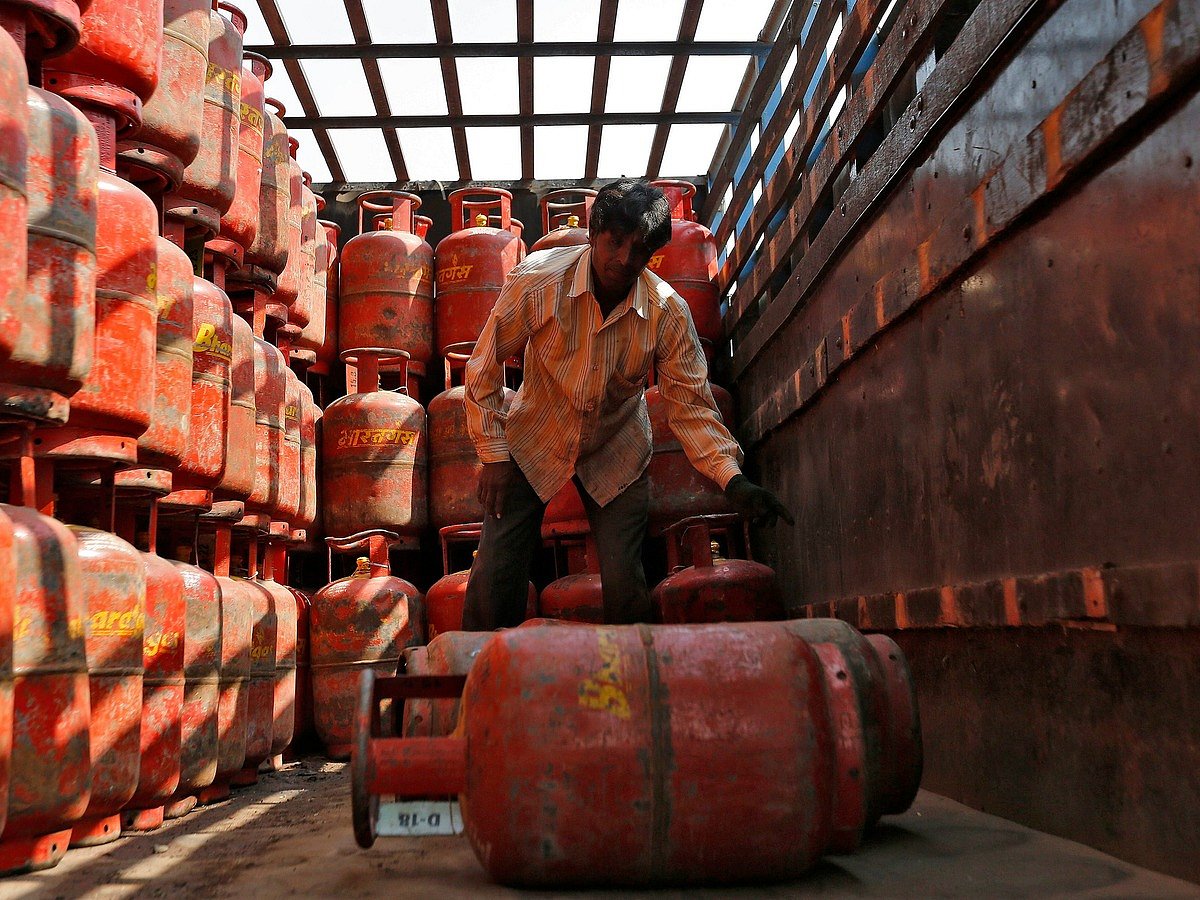
On 7 March 2026, the price of domestic liquefied petroleum gas (LPG) cylinders was increased by Rs 60 across India. The new rate for a non-subsidised 14.2 kg LPG cylinder in Delhi is now Rs 913, with similar price adjustments in other major cities. This marks the highest price for domestic LPG cylinders since August 2023, and the change is effective immediately.
According to Scroll, the price hike is attributed to global energy cost fluctuations resulting from the ongoing conflict in West Asia. The benchmark Brent crude price rose to $87 per barrel, a 20.8% increase since late February, following military escalations involving Israel, the United States, and Iran. This surge in crude prices has directly influenced domestic LPG costs.
As reported by Deccan Herald, the price increase applies to non-subsidised LPG cylinders used by most households, except for Pradhan Mantri Ujjwala Yojana beneficiaries, who continue to receive a Rs 300 subsidy per cylinder for up to 12 refills annually. In Mumbai, the new price is Rs 912.50, in Kolkata Rs 939, in Chennai Rs 928.50, and in Bengaluru Rs 915.50. Commercial LPG cylinders, used by hotels and restaurants, have also seen a Rs 114.5 increase per 19-kg cylinder.
As highlighted by Financial Express, this is the second LPG price hike in less than a year, with the previous increase of Rs 50 occurring in April 2025. Commercial LPG rates have risen by Rs 302.50 since January 2026. Industry officials have stated that, despite the increase, Indian LPG prices remain among the lowest in the region. The price adjustments reflect the steep rise in global energy prices since the onset of the West Asia conflict.
As The Hindu stated in an article, the price revision was implemented by oil marketing companies as they accounted for increased international energy prices. The Ministry of Finance has warned that the ongoing conflict and disruptions in the Strait of Hormuz could further impact fuel costs and the rupee, complicating India’s inflation outlook. India imports approximately 80% to 85% of its energy requirements, making it highly sensitive to global price movements.
“Given India’s heavy reliance on imported crude, it ‘could feed through into higher imported inflation by raising fuel costs and weakening the rupee, complicating the inflation outlook for India,’ the ministry said in its monthly economic review.”
Government directives have instructed all public and private refineries to prioritise LPG production by diverting feedstock from petrochemicals to ensure uninterrupted domestic supply. India currently holds about 25–30 days of LPG inventory, with imports accounting for nearly 75–80% of national consumption. The government has also begun sourcing LPG from the United States to diversify supply and mitigate risks associated with disruptions in West Asian shipments.
Midway through the year, industry analysis indicated that the cumulative increase in commercial LPG prices has exceeded Rs 300 since January. The price of a 19-kg commercial cylinder in Delhi now stands at Rs 1,883, following consecutive hikes in March. These adjustments are part of broader efforts to balance domestic affordability with international market pressures.
Recent coverage revealed that LPG rates vary by state due to differences in local sales tax or VAT. The last price increase before this was in April 2025. The government continues to monitor the situation closely, with officials stating that further steps may be taken if supply disruptions persist or escalate.
“With household LPG penetration reaching nearly 99.8%, even minor supply disruptions could affect consumers, potentially leading to higher subsidy outlays or price adjustments to maintain affordability,” said Arun Kailasan, research analyst at Geojit Investments Limited.
In the context of ongoing geopolitical instability, reporting indicated that the government’s economic review has highlighted the risk of prolonged conflict leading to further inflationary pressures, subdued capital flows, and potential impacts on sectors dependent on LNG and crude, such as fertilisers and petrochemicals.
Note: This article is produced using AI-assisted tools and is based on publicly available information. It has been reviewed by The Quint's editorial team before publishing.