Delhi Shivers At 4.2°C, Coldest Morning In Two Years
The AQI remained in the 'very poor' category, with dense fog and high humidity worsening pollution levels.
advertisement
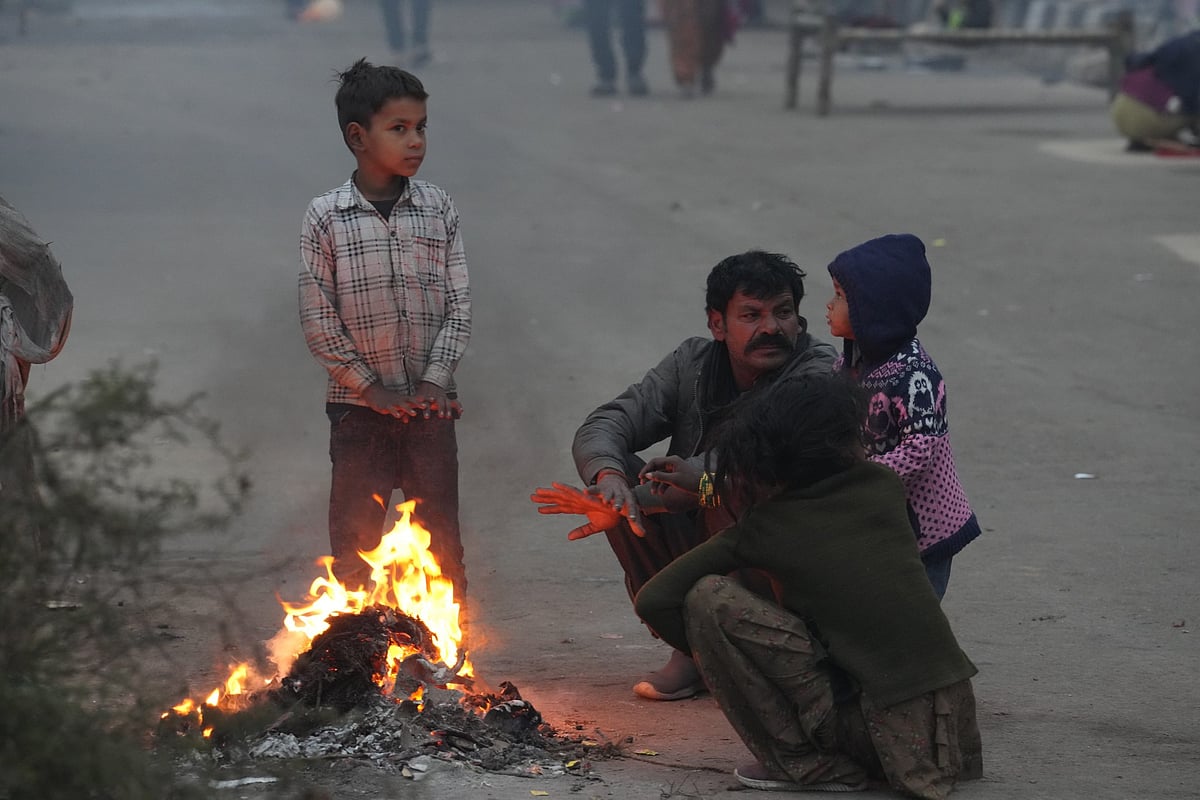
Delhi recorded its coldest morning of the season on 10 January 2026, as the minimum temperature dropped to 4.2 degrees Celsius. This temperature is 2.7 degrees below the normal for this time of year and marks the lowest January minimum in the city since 2024. The air quality index remained in the 'very poor' category, with dense fog and high humidity contributing to the persistent pollution levels.
According to Hindustan Times, the India Meteorological Department (IMD) confirmed that the 4.2°C reading at Safdarjung station was the lowest minimum temperature recorded in Delhi in the last two years, since 3.5°C on 16 January 2024. The air quality index (AQI) at 9 am stood at 366, categorised as 'very poor' by the Central Pollution Control Board. The 24-hour average AQI was 345 at 4 pm the previous day, and forecasts indicated that the air quality would remain in the 'very poor' range before a possible improvement on Sunday.
As reported by Hindustan Times, the minimum temperature on 9 January was 4.6°C, which was already the lowest for the season until the new record was set the following day. The IMD noted that the minimum temperature had been 5.8°C on Thursday and 8.6°C on Wednesday, showing a sharp decline over consecutive days. The cold conditions led to a surge in power demand, with Delhi recording a peak of 6,087 MW, the highest ever for the winter period.
As highlighted by The Hindu, the IMD continued to monitor the situation, with forecasts indicating that the cold wave and foggy conditions would persist in the coming days. The yellow alert for moderate to dense fog remained in effect, and the minimum temperature was expected to stay between 5°C and 7°C over the weekend.
Coverage revealed that the combination of low temperature and high humidity contributed to a layer of haze, trapping pollutants near the surface and exacerbating air quality issues. The city’s power demand reached a record high, reflecting increased use of electrical heating as residents sought relief from the cold.
The previous day’s data indicated that the minimum temperature of 4.6°C was the coldest January morning since 2024. The IMD reported that cold wave conditions were likely to persist in north and northwest India, including Delhi-NCR, though no severe cold wave was forecast at that time. The AQI remained in the 'very poor' category, with up to 26 monitoring stations reporting similar levels.
"The air quality is likely to be in the very poor category on Saturday. The air quality is likely to be in the poor category from Sunday to Monday. The outlook for the subsequent six days is that the air quality is likely to be in the poor to very poor category," the Air Quality Early Warning System bulletin stated.
In addition, analysis showed that light rainfall in parts of Delhi on 9 January contributed to the intense cold and foggy conditions. The IMD placed the city under a yellow alert, with minimum temperatures expected to hover around 5°C until at least 12 January. The maximum temperature was forecast to remain between 15°C and 17°C, with air quality likely to stay in the 'poor' to 'very poor' range.
Forecasts following reports suggested that shallow to moderate fog would continue for the next few days, with intermittent light rain or drizzle possible in several areas. Trace rainfall was recorded at Safdarjung and Lodhi Road, while Ayanagar received 0.8 mm of rain between late Thursday and early Friday.
The cold wave’s impact was not limited to Delhi, as reporting indicated that Pune also experienced its coldest morning of 2026, with the minimum temperature dropping to 8.4°C. Meteorologists attributed the cold to an anticyclone wind pattern bringing cold northerlies to central India, affecting temperatures across the region.
Note: This article is produced using AI-assisted tools and is based on publicly available information. It has been reviewed by The Quint's editorial team before publishing.