CNG Prices Hiked in Delhi-NCR for the Second Time in 48 Hours, Cross Rs 80
Delhi-NCR sees second CNG price hike in 48 hours, with rates now above Rs 80 per kg.
advertisement
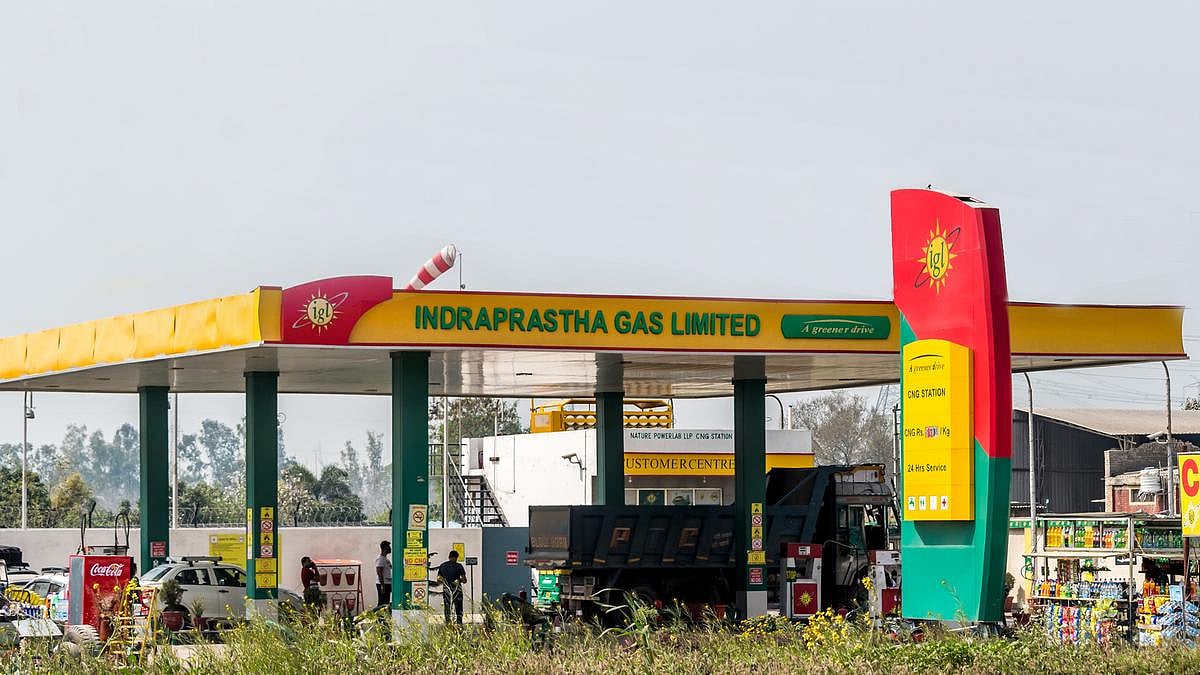
Compressed Natural Gas (CNG) prices in Delhi and the National Capital Region (NCR) were increased by Re 1 per kilogram on 17 May 2026, marking the second hike within 48 hours. The new rate in Delhi stands at Rs 80.09 per kg, while Noida and Ghaziabad now pay Rs 88.70 per kg. This follows a Rs 2 per kg increase announced on 15 May 2026, bringing the cumulative rise to Rs 3 in two days.
According to Financial Express, the repeated hikes are attributed to volatility in global energy markets and increased input costs for natural gas. Indraprastha Gas Limited (IGL), the primary distributor in the region, cited the need to adjust retail prices to reflect changes in feedstock costs, city-gate prices, and statutory levies.
As reported by Scroll, this is the first time CNG prices in Delhi have crossed the Rs 80 per kg mark. The company stated that the revision was necessary to “marginally offset the impact of increase in input gas cost along with steep appreciation of the United States Dollar.”
In a statement, IGL noted that despite the increase, CNG continues to offer up to 45% savings in running costs compared to petrol and diesel vehicles. As highlighted by The Hindu, the company emphasised that the price revision was implemented only to partially offset rising input costs and currency fluctuations.
“The revision in retail prices of CNG has been effected only to marginally offset the impact of increase in input gas cost along with steep appreciation of USD,” IGL stated.
Coverage revealed that the latest hike brings the price of CNG in Delhi to Rs 80.09 per kg, while Noida and Ghaziabad see rates at Rs 88.70 per kg. The previous increase on 15 May 2026 had already raised prices by Rs 2 per kg.
As reporting indicated, the back-to-back hikes are expected to impact daily commuters, particularly those using CNG-run autos, taxis, and private vehicles. The revised rates were updated on the IGL website at 6 am on 17 May 2026.
Industry sources noted that recent adjustments are a response to increased input gas costs and currency depreciation. Piped natural gas rates for households remain unchanged despite the CNG price hikes.
“Even after the latest revision, CNG would still offer up to 45 per cent savings towards the running cost when compared to vehicles running on alternate fuel at the current level of prices,” IGL said.
Mid-paragraph analysis from market observers links the price increases to ongoing geopolitical tensions, particularly the US-Iran conflict, which has contributed to rising global crude oil prices and supply disruptions. The rupee’s depreciation against the US dollar has further intensified input cost pressures for energy distributors.
As details emerged, the impact of these hikes is being felt across private vehicle owners, taxi operators, and logistics fleets. While CNG remains more economical than petrol and diesel, frequent price adjustments are affecting budgeting for fleet operators and daily commuters.
Note: This article is produced using AI-assisted tools and is based on publicly available information. It has been reviewed by The Quint's editorial team before publishing.