Delhi High Court Grants Umar Khalid Interim Bail For Three Days
The High Court’s order came after Khalid’s request for a 15-day release was dismissed by a trial court on 19 May.
advertisement
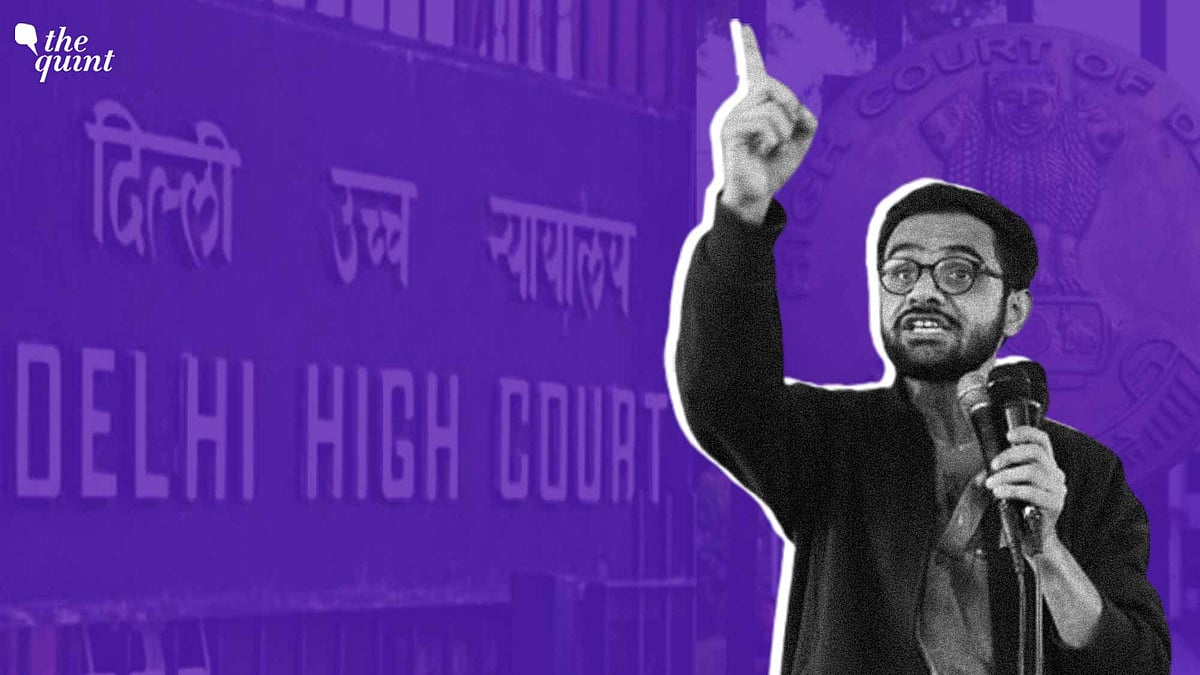
On Friday, 22 May, the Delhi High Court granted Umar Khalid, a former Jawaharlal Nehru University student leader, interim bail for three days in connection with the 2020 Northeast Delhi riots case.
The bail period is from 1 June to 3 June, specifically to allow Khalid to visit his mother, who is scheduled to undergo surgery. The court’s decision follows the rejection of Khalid’s earlier plea for a longer interim bail by a lower court.
According to The Indian Express, the High Court’s order came after Khalid’s request for a 15-day release was dismissed by a trial court on 19 May 2026. The trial court had previously denied the plea, stating that each bail application must be considered on its own merits and that the grounds presented were insufficient for a longer term of release.
As reported by Hindustan Times, Khalid’s petition to the High Court challenged the trial court’s findings, arguing that his presence was necessary to support his mother during her surgery.
The petition also highlighted that Khalid is the only son and eldest child, and that his father and married sisters were not in a position to provide the required support.
Details provided in the coverage indicate that Khalid’s application cited humanitarian grounds, including the need to attend the Chehlum ceremony of his late uncle and to care for his ailing mother.
The trial court, however, had found that attendance at the ceremony was not essential and that other family members could assist with his mother’s care.
The High Court’s order granting interim bail was limited to the period required for his mother’s surgery, rather than the full 15 days initially sought. Further analysis showed that Khalid had previously been granted interim bail on several occasions, including for his sister’s wedding, and had complied with all conditions imposed by the court.
“No doubt that on previous occasions, as mentioned by Counsel for the applicant, not only the applicant but other co-accused persons have been granted interim bail and they never flouted the conditions as imposed by the Court, but it doesn’t mean that on every occasion whenever the accused seeks bail, the Court should grant the same. The Court has to consider every fresh application on its own merits and should allow the same only when the grounds are reasonable,” the trial court had stated.
In the context of the larger conspiracy case related to the 2020 Delhi riots, Khalid remains in custody under the Unlawful Activities (Prevention) Act (UAPA). Reporting indicated that other co-accused in the case have also sought and, in some instances, received interim bail, with courts emphasizing the need to balance individual liberty with the seriousness of the allegations.
Earlier this year, the Supreme Court had dismissed Khalid’s regular bail plea, citing statutory restrictions under the UAPA. Coverage revealed that the Supreme Court’s decision was based on the material presented by the prosecution, which was found to establish prima facie grounds for continued detention under the law.
Khalid’s legal team has maintained that the investigation against him is complete and that he poses no risk of tampering with evidence or evading prosecution. The High Court’s interim bail order is strictly time-bound and subject to conditions, with Khalid required to surrender after the specified period as details emerged.
Note: This article is produced using AI-assisted tools and is based on publicly available information. It has been reviewed by The Quint's editorial team before publishing.