Canadian PM Mark Carney To Visit India in March To Deepen Energy, Trade Ties
<p>Canada and India are advancing energy and trade talks, with high-level visits and agreements expected in early 2026.</p>
advertisement
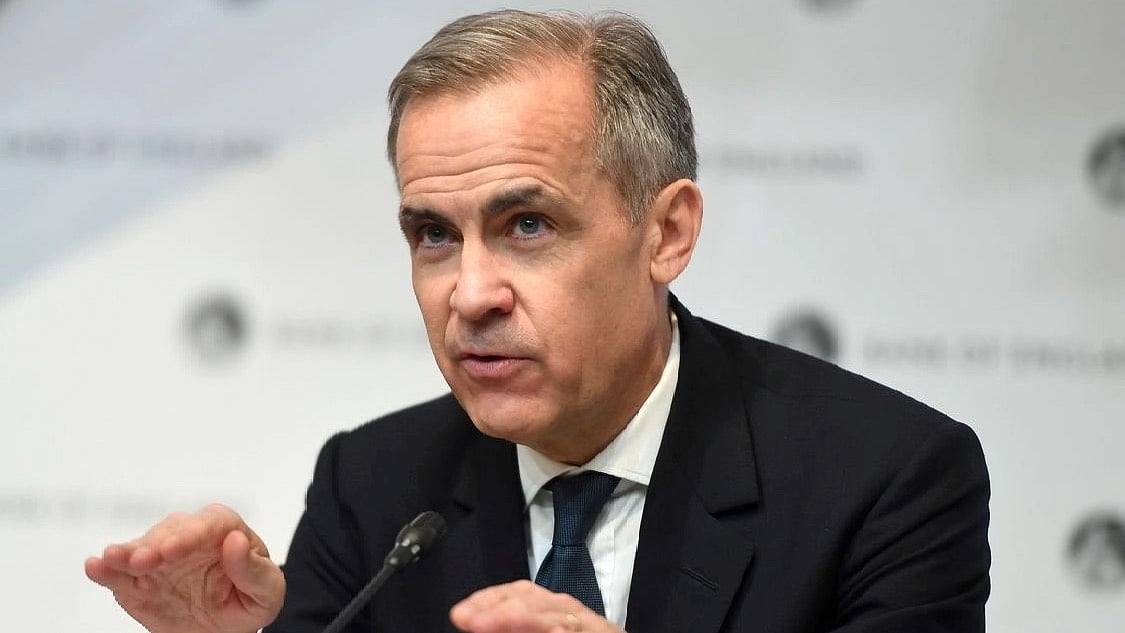
Canada and India are intensifying diplomatic and trade engagement in early 2026, with both countries prioritising energy cooperation and critical mineral supply. Canadian Prime Minister Mark Carney is expected to visit India in March, following the arrival of Canada’s Energy Minister Tim Hodgson for sectoral talks. The two nations are preparing to sign agreements on uranium, energy, and artificial intelligence, aiming to reset relations and expand bilateral trade.
According to Deccan Herald, Energy Minister Tim Hodgson described India as the world’s fastest-growing energy market and emphasised Canada’s commitment to diversifying its energy exports beyond the United States. Hodgson highlighted opportunities for Canada to supply crude oil, liquefied natural gas, and uranium to India, noting that new pipelines are being constructed to facilitate these exports.
As reported by Hindustan Times, Hodgson’s visit marks the first Canada–India Energy Dialogue in eight years. During his trip, he is participating in the India Energy Week in Goa and meeting with Indian officials to discuss enhanced shipments of crude oil, liquefied petroleum gas, and collaboration in hydrogen, biofuels, and battery storage. The two countries are also expected to facilitate greater reciprocal investment in the energy sector.
As noted in an article by The Indian Express, Prime Minister Carney’s planned visit will be the highest-level engagement since diplomatic tensions arose in 2023. Agreements under discussion include uranium supply, energy, critical minerals, and artificial intelligence. Both sides are working to revive negotiations on a Comprehensive Economic Partnership Agreement (CEPA), targeting a bilateral trade volume of $50 billion by 2030.
Coverage revealed that Canada is looking to supply critical minerals to India, with a particular focus on uranium as India expands its nuclear energy sector. The countries are expected to sign a 10-year agreement worth 2.8 billion Canadian dollars for uranium supply, as part of broader CEPA negotiations set to begin in March. Canadian officials have stated that any uranium deal will require adherence to International Energy Agency safeguards.
“We know that India is a major nuclear country and it has major plans to grow its civilian use of nuclear energy,” Hodgson said. “So that would be one of the topics I expect that we will discuss with my counterpart.”
Trade diversification is a key driver for Canada, as analysis showed, with the country seeking to reduce reliance on the United States amid recent tariff threats. The Canadian government is also pursuing agreements on oil, gas, artificial intelligence, and quantum computing, alongside education and cultural exchanges. Both governments have expressed urgency in moving forward after two years of stalled talks.
Diplomatic relations between the two countries have shown signs of recovery, as reporting indicated, following the return of envoys and increased diplomatic staffing in August 2025. The renewed engagement is seen as a strategic move for both nations, with India seeking stable supplies of energy and minerals, and Canada aiming to expand its export markets.
Canada’s pivot towards India is also influenced by external pressures, as details emerged, including tariff threats from the United States. Canadian officials have stated that diversifying trade partners is essential for economic resilience, and India’s growing economy presents significant opportunities for collaboration in energy, minerals, and technology.
“We need to focus on economies that are large and growing. India squarely falls into that category. India is a growing user of critical minerals that Canada can supply,” Hodgson said.
Note: This article is produced using AI-assisted tools and is based on publicly available information. It has been reviewed by The Quint's editorial team before publishing.