Bunker Roy, Barefoot College Founder And Rural Visionary, Dies At 81
Social activist Bunker Roy, founder of Barefoot College, passes away at 81 in Tilonia, Rajasthan.
advertisement
Social activist and educator Sanjit “Bunker” Roy died on 10 November 2026 at his home in Tilonia, Rajasthan, at the age of 81. Roy, who founded the Barefoot College in 1972, was widely recognised for his pioneering work in rural development, women’s empowerment, and community-led innovation. He passed away peacefully in the presence of his wife, Aruna Roy, and close associates. His funeral was scheduled for the same day in Tilonia.
According to Hindustan Times, Roy was educated at The Doon School and St Stephen’s College, Delhi, but chose to dedicate his life to grassroots work after witnessing rural hardships. He established the Social Work and Research Centre in Tilonia, which evolved into Barefoot College, focusing on water, irrigation, education, healthcare, and renewable energy for rural communities.
As reported by The Indian Express, Roy’s approach was shaped by Gandhian philosophy, emphasising decentralisation of technology and empowering villagers, especially women, to become self-reliant. He believed that formal education was not a prerequisite for solving rural problems and that local knowledge should be conserved and respected.
Roy’s most celebrated initiative was the solar electrification programme, which trained rural women, many of them illiterate or semi-literate, as solar engineers. These “Solar Mamas” assembled, installed, and maintained solar lighting systems, bringing electricity to remote villages in India and abroad as detailed here. The programme expanded internationally, with women from several countries coming to Tilonia for training.
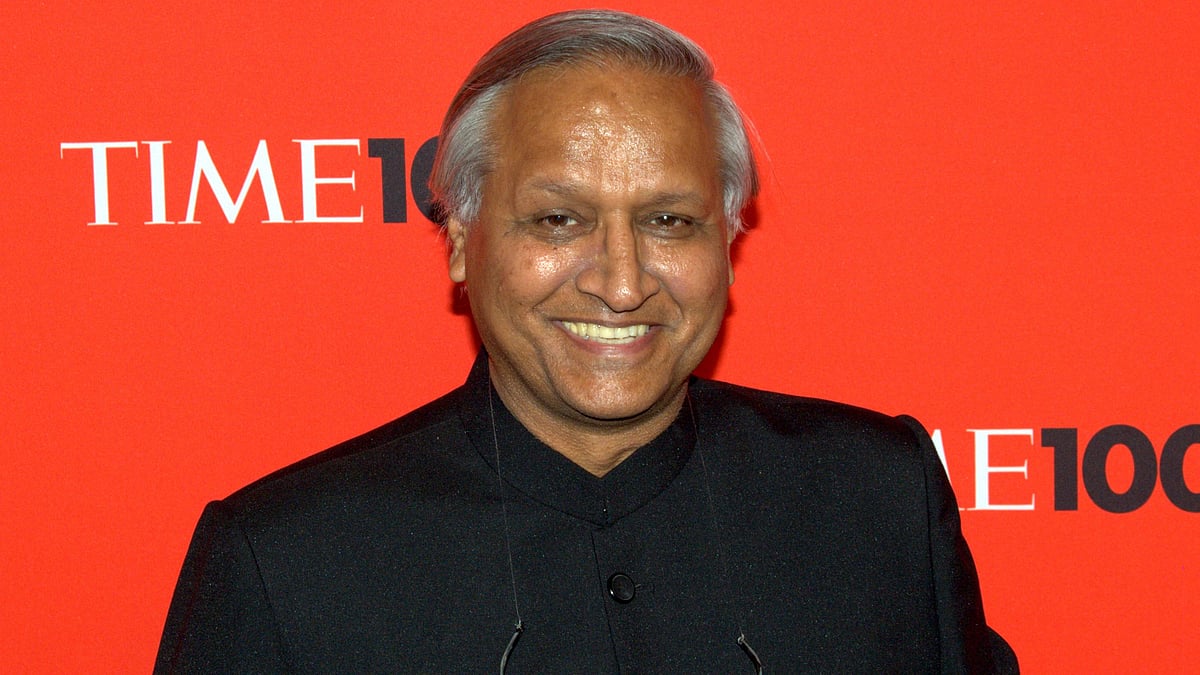
Mid-career, Roy received several prestigious awards, including the Padma Shri in 1986 and the Jamnalal Bajaj Award in 1985. In 2010, he was named among TIME magazine’s 100 most influential people for his grassroots social entrepreneurship as coverage revealed. Barefoot College has trained over three million people for jobs such as solar engineers, teachers, midwives, weavers, and more, often in basic facilities designed to make students feel comfortable and respected.
“He transcended conventional notions of formal education, proving that illiterate and semi-literate villagers, especially women, possessed the wisdom, skill, and capability to build, innovate, and lead,” said Congress leader Shashi Tharoor, as quoted in national tributes.
Roy’s philosophy was rooted in the belief that rural communities should not depend entirely on outside experts for basic services. His institution also pioneered night schools for children who worked during the day, rainwater harvesting, and the revival of traditional crafts as reporting indicated. His wife, Aruna Roy, herself a noted activist, was a key collaborator in many of these initiatives.
Tributes from political leaders and activists described Roy as a visionary who empowered rural India through self-reliance and sustainable development. Former Rajasthan Chief Minister Ashok Gehlot and Congress leader Shashi Tharoor highlighted his lifelong commitment to Gandhian principles and his transformative impact on rural education and livelihoods at the end of their statements.
“Bunker Roy passed away peacefully at 6.15 am this morning with Aruna and others around him. He went as he wanted to, in his own home in Tilonia, surrounded by some of the countless people who loved and cared for him deeply and passionately,” his family and colleagues stated.
Roy’s legacy includes not only the Barefoot College but also a global movement for community-driven development. His work demonstrated that innovative solutions to poverty and inequality can emerge from within rural communities themselves as analysis showed. He is survived by his wife, Aruna Roy, and is remembered as a pioneer who redefined the fight against poverty in India and beyond.
Note: This article is produced using AI-assisted tools and is based on publicly available information. It has been reviewed by The Quint's editorial team before publishing.