Allahabad HC Grants Police Protection For Muslim Man In Bareilly Namaz Case
Allahabad High Court orders 24/7 police protection for Bareilly man allegedly stopped from offering namaz at home.
advertisement
The Allahabad High Court has directed the Uttar Pradesh government to provide continuous police protection to a Muslim man in Bareilly who was allegedly prevented from offering namaz inside his private residence. The court ordered that two armed guards be deployed around the clock to ensure his safety, and stated that any violence against him or his property would be considered, on a prima facie basis, as having occurred at the instance of the State. The matter is scheduled for further hearing on 23 March 2026.
According to Live Law, the division bench comprising Justice Atul Sreedharan and Justice Siddharth Nandan issued the order after the petitioner, Haseen Khan, alleged that he was stopped by police from offering namaz at his home, threatened with demolition, and made to sign blank papers. The court clarified that the guards must accompany Khan wherever he goes, and summoned the District Magistrate and Senior Superintendent of Police, Bareilly, to appear in person for the next hearing.
As reported by Bar and Bench, the court also recorded Khan’s statement that police had forced him to put his thumb impression on a document without disclosing its contents. He further alleged that he was threatened with demolition of his property if he did not comply with certain instructions. The court’s order explicitly warned that any harm to Khan or his property would be attributed to the State unless rebutted.
The court referenced a previous ruling from 27 January 2026, which held that no state permission is required for religious prayer meetings on private property in Uttar Pradesh, provided the activity remains within the premises. Legal analysis indicated that the State had conceded there is no legal requirement for permission to offer namaz at home, affirming the petitioner’s fundamental right under Article 25 of the Constitution.
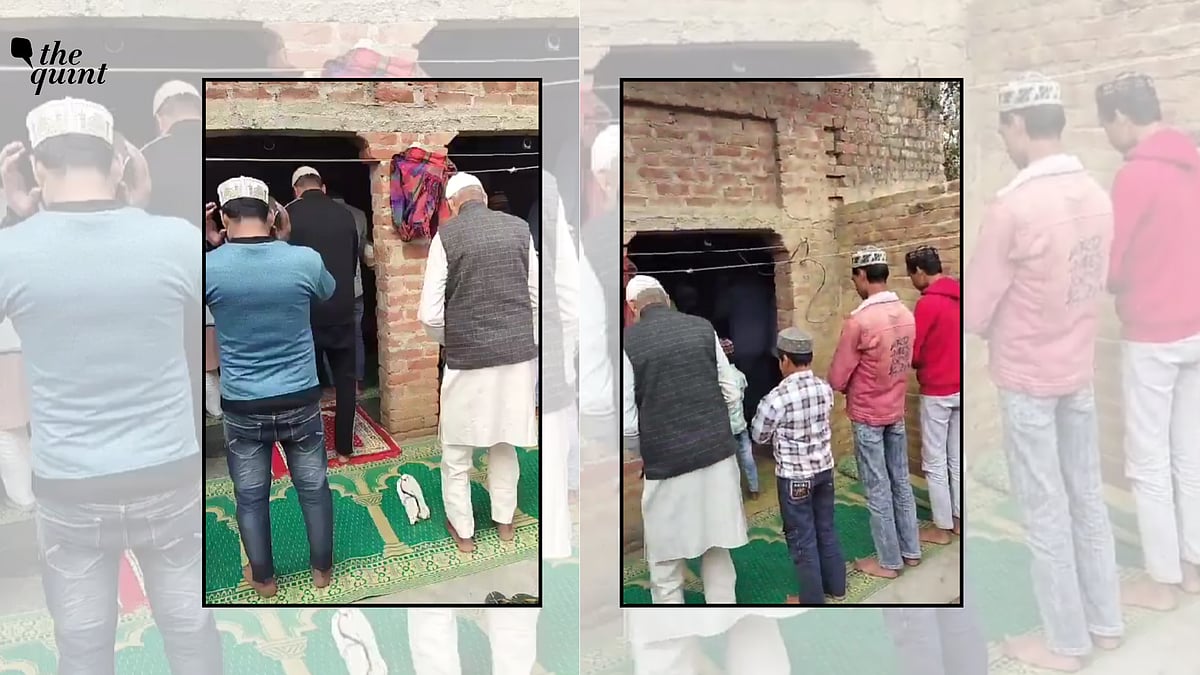
In the context of the present case, further details revealed that the authorities in Bareilly had previously taken action against a group of Muslims for offering prayers on a private rooftop, prompting residents to seek official permission for prayers during Ramadan. The authorities allegedly did not act on the request, leading to the current contempt petition before the High Court.
"Any incident of violence that afflicts Haseen Khan's person or his property shall be prima facie understood to have occurred at the instance of the State, which of course is open to rebuttal," the court stated in its order.
At the hearing, the court directed both the District Magistrate and the Senior Superintendent of Police to be present in person on the next date, warning that non-compliance would result in non-bailable warrants. Court proceedings underscored the seriousness of the allegations and the need for immediate protection.
In its January ruling, the High Court had clarified that the right to pray inside private premises is protected under Article 25, and that no permission is required under law for such acts, provided they are confined to private property. Coverage revealed that the court’s current order builds on this precedent, reinforcing the constitutional guarantee of religious freedom within private spaces.
The next hearing is set for 23 March 2026, when the court will consider further action based on the compliance of its orders and the presence of the summoned officials. The case continues to highlight the judiciary’s role in upholding constitutional rights and ensuring state accountability in matters of religious freedom and personal safety as developments unfold.
Note: This article is produced using AI-assisted tools and is based on publicly available information. It has been reviewed by The Quint's editorial team before publishing.