Congress' Adhir Chowdhury Meets PM Modi, Flags Violence Against Bengal Migrants
The timing of the meeting is significant, as West Bengal is set to hold assembly elections in March-April 2026.
advertisement
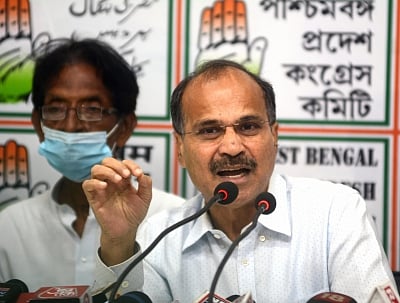
On 30 December 2025, senior Congress leader Adhir Ranjan Chowdhury met Prime Minister Narendra Modi in New Delhi to discuss recent attacks on Bengali migrant workers. Chowdhury raised concerns about violence and discrimination faced by these migrants, particularly in states governed by the Bharatiya Janata Party. The meeting took place at the Prime Minister’s official residence, with the issue of communal tension and the need for government intervention being highlighted during the discussion.
According to The Hindu, Chowdhury urged PM Modi to intervene and help stop attacks on Bengali-speaking people, warning that such incidents could escalate communal tensions in West Bengal. Chowdhury stated in a letter to the Prime Minister that the only “offence” of these individuals was speaking Bengali, which sometimes led to them being misidentified as Bangladeshi nationals and treated as infiltrators by local administrations.
As reported by Amar Ujala, the meeting also addressed concerns regarding the Special Intensive Revision (SIR) of electoral rolls in West Bengal and discussed incidents of violence against Bengali-speaking people in several states. The timing of the meeting is significant, as West Bengal is set to hold assembly elections in March-April 2026. Chowdhury reportedly highlighted the need for fair treatment of all citizens, regardless of language or origin.
This report noted, in a recent incident in Indore, Madhya Pradesh, 17 migrant workers from West Bengal were questioned by police after local complaints alleged they were Bangladeshi nationals. The police verified their documents and confirmed that most workers had identification from Purba Medinipur district, with no detentions made. Authorities stated that further verification with West Bengal officials would be conducted if necessary.
Chowdhury’s letter to the Prime Minister called for sensitising all state governments to prevent discrimination, violence, and persecution of migrant labourers from other parts of the country as this report noted. He cited the example of a 30-year-old migrant worker from West Bengal who was killed in Odisha following an altercation, and mentioned that the West Bengal Migrants Welfare Board had received over 1,100 complaints of harassment in ten months, especially from BJP-ruled states.
“Their only offence is that they speak in Bengali language, which are often misunderstood by the concerned administration as persons belonging to neighbouring Bangladesh and treated as infiltrators,” Chowdhury wrote in his letter to Prime Minister Modi.
This article mentioned, the discussions also included the political context in West Bengal, with the upcoming assembly elections and ongoing concerns about the SIR process. Chowdhury emphasised the importance of ensuring that the rights of Bengali-speaking citizens are protected and that administrative actions do not lead to further marginalisation or violence.
In addition to the incidents in Indore and Odisha, this news report said, two migrant workers in Mumbai were arrested on suspicion of being illegal immigrants from Bangladesh. The West Bengal Migrants Welfare Board continues to monitor and document cases of harassment, seeking intervention from central authorities to address the issue.
This report highlighted, local political workers in Indore became involved after encountering the migrants during a survey for the SIR of electoral rolls. The police clarified that the workers had been employed in the city for about five years and that their documents were under review, with no immediate evidence of illegal residency found.
Chowdhury’s appeal to the Prime Minister included a request to “sensitise all the state governments against discrimination, violence, and persecution of migrant labourers from other parts of the country.”
Further, this report mentioned, the Congress leader’s meeting with Prime Minister Modi is seen as a significant step in bringing national attention to the challenges faced by Bengali-speaking migrants, especially in the context of electoral and administrative processes in West Bengal and other states.
Note: This article is produced using AI-assisted tools and is based on publicly available information. It has been reviewed by The Quint's editorial team before publishing.