Adani Targets 10 GW Nuclear Capacity by 2035, Eyes Private Sector Nuclear Lead
Adani Group sets 10 GW nuclear power target by 2035, as part of India’s energy expansion.
advertisement
The Adani Group has officially announced its entry into the nuclear energy sector with a target of developing 10 gigawatts (GW) of nuclear power capacity by 2035. This initiative is part of the conglomerate’s broader strategy to support India’s long-term energy security and meet the rising demand for clean, round-the-clock power. The group has identified land for the nuclear projects, but has not disclosed specific locations or project details.
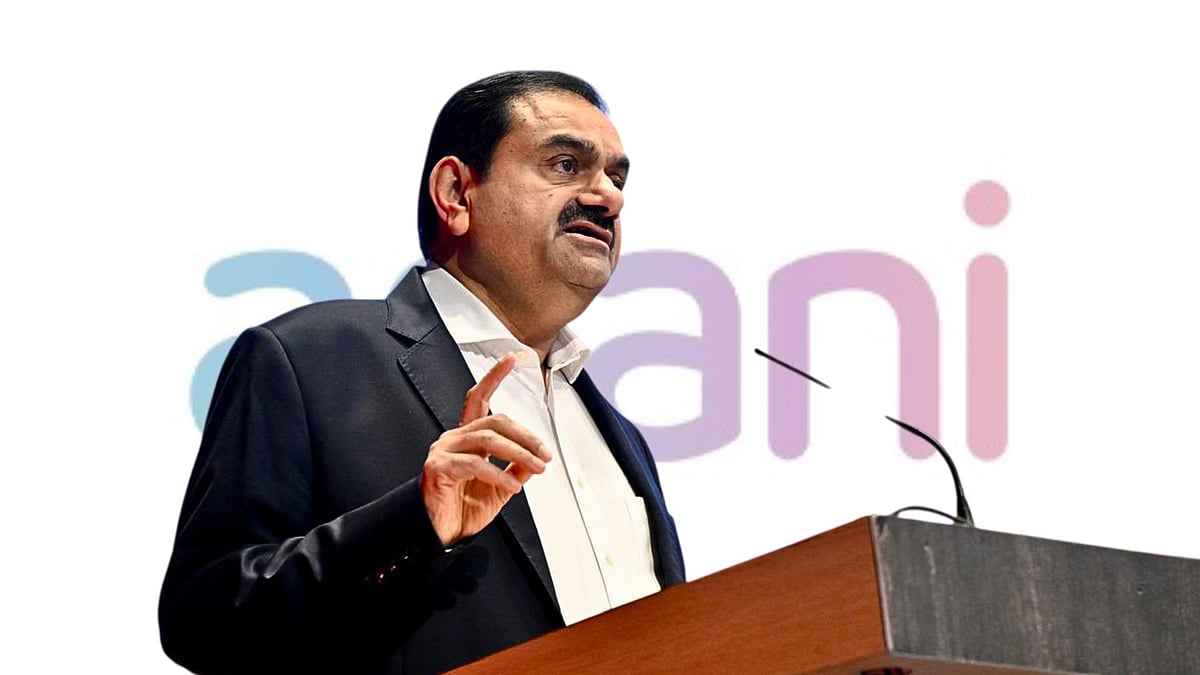
According to Hindustan Times, Gautam Adani, chairman of the Adani Group, announced the nuclear energy target during the company’s annual general meeting. He stated that the group’s entry into nuclear energy through Adani Atomic Energy is a step towards securing India’s energy future, with a focus on clean and reliable power supply.
As reported by Financial Express, the group’s nuclear ambitions are part of a larger expansion plan that includes significant investments in power generation, digital infrastructure, and logistics. The Adani Group is also implementing a capital expenditure programme of over Rs 2 lakh crore to expand its total power generation capacity to 45 GW within five years.
As highlighted by Deccan Herald, the group’s integrated infrastructure model aims to deliver reliable, affordable, and round-the-clock power while reducing external dependencies. The nuclear initiative is positioned as a key component of this strategy, alongside investments in thermal, renewable, hydro, gas, and transmission assets.
As noted in an article by The Indian Express, the group’s nuclear plans follow the passage of the Sustainable Harnessing and Advancement of Nuclear Energy for Transforming India Bill (SHANTI Bill) in December 2025, which enables private sector participation in nuclear power generation and related activities. This legislative change is expected to facilitate the entry of private players like Adani into the sector.
Further details indicate that India’s overall nuclear power ambitions are much larger, with a national target of 100 GW by 2047. However, the Adani Group’s specific commitment remains at 10 GW by 2035, which would make it one of the largest private-sector operators in the country’s nuclear sector.
The group’s energy expansion is being led by Adani Power, which is executing what has been described as India’s largest private-sector power capital expenditure programme. Analysis showed that Adani Power’s business model is shifting towards more stable, annuity-based returns, supported by a strong track record in project execution and capital investment.
“Our entry into nuclear energy through Adani Atomic Energy is another confident step towards securing India’s long-term energy future,” Gautam Adani stated, underscoring the group’s commitment to clean energy and infrastructure growth.
India’s broader energy transition context is also relevant. Coverage revealed that nuclear power is increasingly seen as essential for providing reliable, low-carbon electricity to support the country’s sustainability goals, especially as renewable energy sources like solar and wind remain intermittent.
In addition to nuclear energy, the Adani Group is investing in other infrastructure sectors. Reporting indicated that a subsidiary will invest Rs 20,000 crore to develop integrated airport cities, further diversifying the group’s infrastructure portfolio.
Note: This article is produced using AI-assisted tools and is based on publicly available information. It has been reviewed by The Quint's editorial team before publishing.