6 Years Later, Court Acquits 3 Muslims Arrested In Akshardham Temple Attack Case
Three Muslim men acquitted in Akshardham Temple attack case by Ahmedabad POTA court after six years.
advertisement
Three Muslim men who were arrested in connection with the Akshardham Temple attack case have been acquitted by a special Prevention of Terrorism Act (POTA) court in Ahmedabad. The court found no new evidence against the accused beyond what had already been examined and rejected by the Supreme Court. The acquittal comes after six years of legal proceedings, with the court ordering the release of the men due to lack of prima facie evidence.
According to Maktoob Media, the Special POTA Court, presided over by Judge Hemang R. Rawal, acquitted Abdul Rashid Suleman Ajmeri, Muhammad Farooq Muhammad Hafiz Shaikh, and Muhammad Yasin alias Yasin Bhatt. The court noted that the Supreme Court had previously acquitted the main accused in the case, and no new material had emerged since then to implicate the three men.
The court observed that Abdul Rashid Suleman Ajmeri and Muhammad Farooq Muhammad Hafiz Shaikh were not in India at the time of the Akshardham Temple attack on 24 September 2002, as they were working in Saudi Arabia. Details confirmed that they were declared absconding and arrested upon their return to Ahmedabad in 2019.
Legal assistance for the acquitted men was provided by the Jamiat Ulema-e-Hind, which pursued the case after two other individuals, Adam Suleman Ajmeri and Salim Hanif Shaikh, were acquitted by the Supreme Court. Further information indicated that the organisation’s legal efforts were instrumental in securing the acquittal.
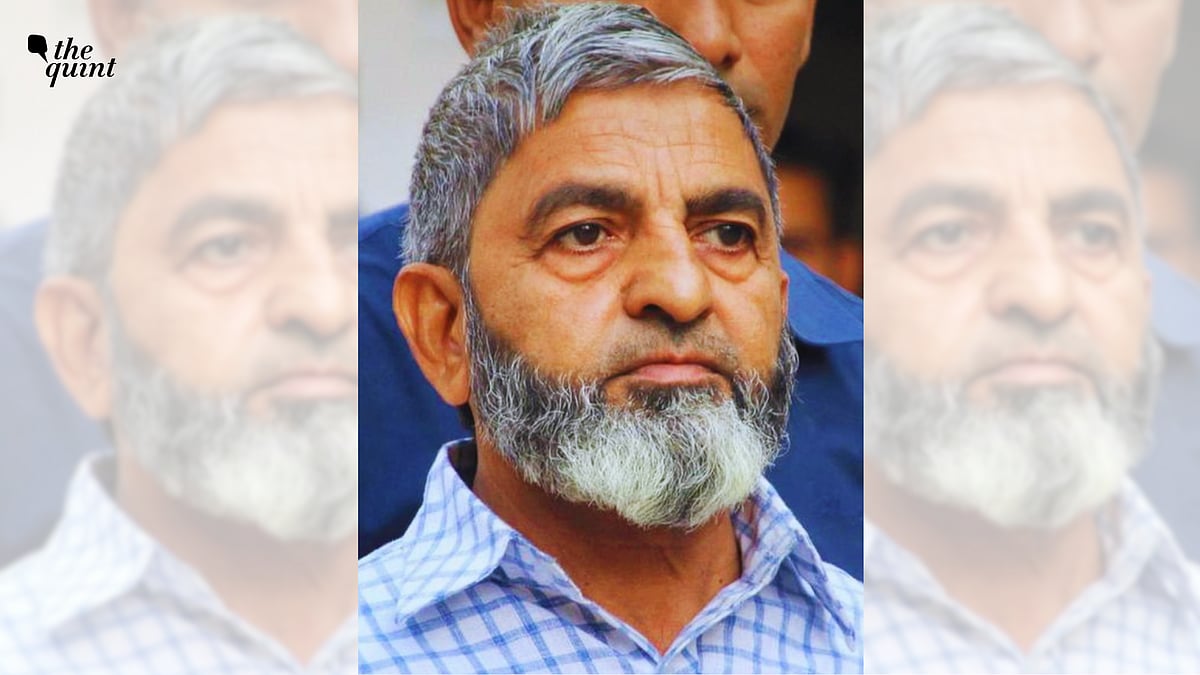
“It is satisfying that the POTA court accepted the Supreme Court’s decision as a precedent, enabling the release of innocent people,” said Arshad Madani, chief of Jamiat Ulema-e-Hind, welcoming the verdict.
The Supreme Court had earlier acquitted all the main accused in 2014, citing insufficient evidence and reprimanding the Gujarat police and investigating agencies for failing to conduct a fair investigation. Coverage revealed that the apex court’s decision was a key factor in the POTA court’s ruling.
In 2007, a POTA court had sentenced several individuals to death or long prison terms in the case, with the Gujarat High Court upholding these convictions in 2010. Analysis showed that the Jamiat’s Legal Aid Committee challenged these verdicts, leading to the Supreme Court’s intervention and subsequent acquittals.
The acquitted men spent years in jail before being cleared of all charges. The case has been cited as an example of the challenges faced by minorities in obtaining justice in India. The prolonged legal process and eventual acquittal have drawn attention to the need for fair investigations and timely judicial review as details emerged.
“In the present circumstances, it has become increasingly difficult for a particular Muslims to obtain justice, and that in this process, precious years of innocent lives are wasted behind bars,” said Arshad Madani, reflecting on the acquittal and its implications for the legal system.
Note: This article is produced using AI-assisted tools and is based on publicly available information. It has been reviewed by The Quint's editorial team before publishing.