'4-5 Lakh Miyas Will Get Deleted From SIR, My Job to Make Them Suffer': Assam CM
Assam CM Himanta Biswa Sarma’s remarks on deletion of Miya voters spark opposition concerns.
advertisement
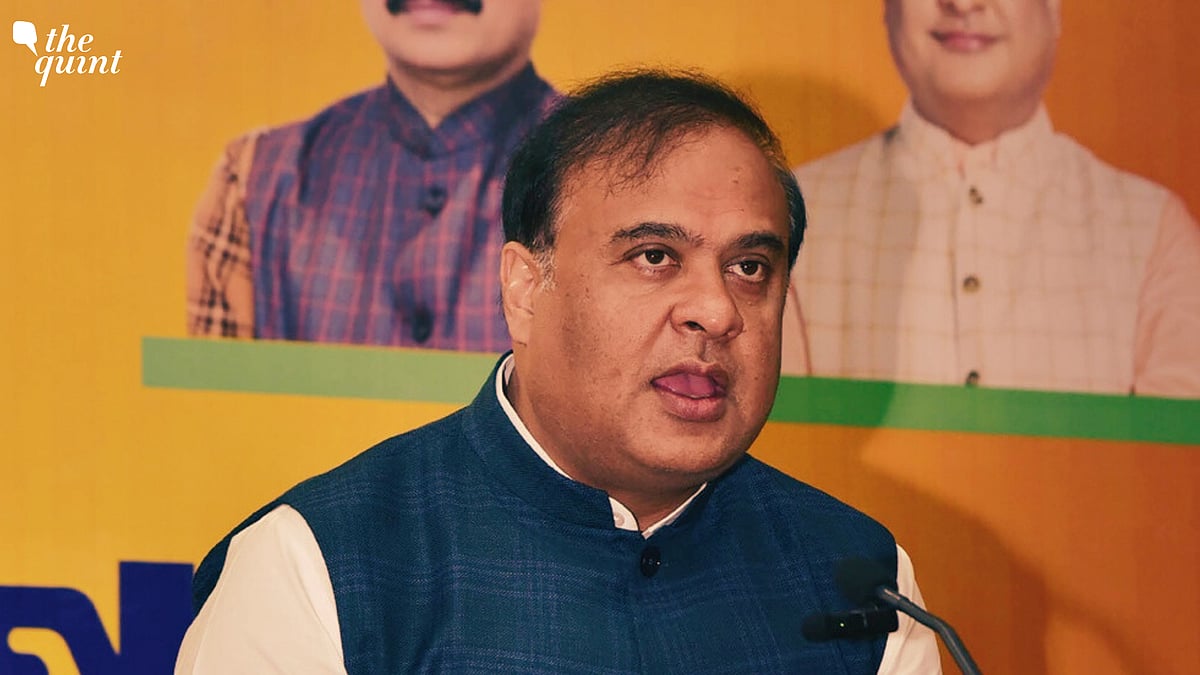
Assam Chief Minister Himanta Biswa Sarma recently stated that eviction drives and the ongoing special revision of electoral rolls in the state are primarily targeting Miya Muslims, a term used for Bengali-speaking Muslims. He indicated that 4-5 lakh individuals from this community could have their names deleted from the voter list as part of the process. The remarks have led to significant political debate ahead of the upcoming Assam Assembly elections.
According to Scroll, Himanta Biswa Sarma clarified that eviction drives were not targeting Assamese people but were focused on Miya Muslims. He asserted that eviction notices would be issued to Muslim migrants found residing in the hills and that the government had reclaimed close to 1.5 lakh bighas of land through these drives since 2016.
As highlighted by Scroll, opposition parties in Assam have alleged that the special revision of electoral rolls is being used to unlawfully target and delete the names of genuine voters, particularly from the Miya community. Six opposition parties submitted a memorandum to the state’s chief electoral officer, claiming that bulk objections were filed against voters, many of whom were not given adequate notice or information about the grounds for objection.
During a recent public address, Sarma stated, “We are giving them trouble,” referring to the Miya community, and explained that serving notices as part of the special revision exercise was intended to “keep them under pressure.” The opposition has described these actions as arbitrary and unconstitutional, arguing that they undermine the neutrality of the electoral process.
“Such a statement is arbitrary, mala fide and wholly unconstitutional as it betrays a predetermined intent to target a specific community and undermines the neutrality of the electoral process,” the opposition parties wrote in their letter to the Election Commission.
Door-to-door verification for the special revision took place between 22 November and 20 December, without document verification, unlike the special intensive revision conducted in other states. Coverage revealed that the Election Commission identified more than 10 lakh voters for potential deletion after this process, with the final list scheduled for publication on 10 February. Claims and objections could be filed until 22 January, and the disposal of these was set for 2 February.
Allegations have also surfaced that booth-level officers were carrying out deletions of names on instructions from higher officials, sometimes under coercion or with signatures obtained under false pretences. Reporting indicated that voters affected by eviction drives were being prevented from submitting applications to change their place of residence, further complicating their ability to remain on the electoral rolls.
In addition, the opposition has demanded that the chief electoral officer reject illegal bulk objections without calling voters for hearings, take action against those filing unlawful objections, and ensure that affected voters are given reasonable time for hearings in genuine cases. Analysis showed that the opposition also called for the registration of first information reports against those allegedly tampering with the revision process and for unauthorised persons to be barred from influencing officials.
Amid these developments, Sarma has continued to defend the government’s actions, stating that the process is necessary to protect the state’s land, culture, and identity. The issue remains a focal point in Assam’s political discourse as the state approaches its Assembly elections, with both the government and opposition maintaining firm positions on the matter as details emerged.
Note: This article is produced using AI-assisted tools and is based on publicly available information. It has been reviewed by The Quint's editorial team before publishing.