Recalling the 1970 Strike When American Women Stormed the Streets
The success of the march was far larger and greater than organiser Betty Friedan had anticipated.
advertisement
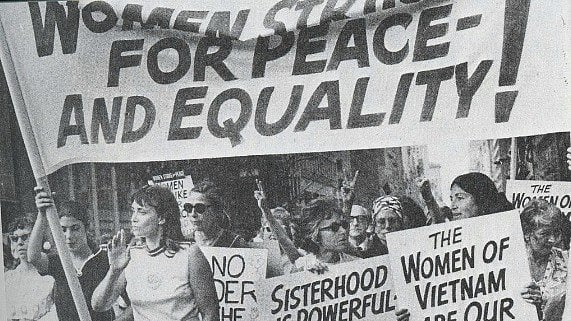
On 26 August 1970, half a century after women got the right to vote in the United States, thousands of American women marched for equal rights and freedom from oppression.
TIME magazine described it as “easily the largest women’s rights rally since the suffrage protests.”
A brain-child of feminist activist, Betty Friedan, also the author of the path-breaking, The Feminine Mystique, the movement became far larger than Friedan had anticipated.
Friedan reportedly introduced the idea at the fourth annual meeting of the National Organisation for Women (NOW), but much to her disappointment, received an underwhelming reaction.
What happened that day in August however, was extraordinary. Friedan’s son Jonathan later told The New York Times that he went for the march thinking there would be nobody else.
When he got to the venue (Fifth Avenue, New York City) however, the place was teeming with supporters. He couldn’t make his way to his mother, who was at the centre of it all.
While the march originated in New York, it went far beyond the city’s borders as women across America held “sister demonstrations.”
Forty six years on, feminism as a movement strives to grow dynamically and inter-sectionally. Proponents of various different threads of feminism have disparate views on how the march affected the larger cause in the long-term.
In the short-term however, it gave the movement a visibility and recognition it required at the time. The legacy of all the women who marched on that historic day still resonates.