A Step-by-Step Guide to Stopping Hair Fall
A practical guide to understanding hair fall and building a root-cause plan to reduce shedding
advertisement
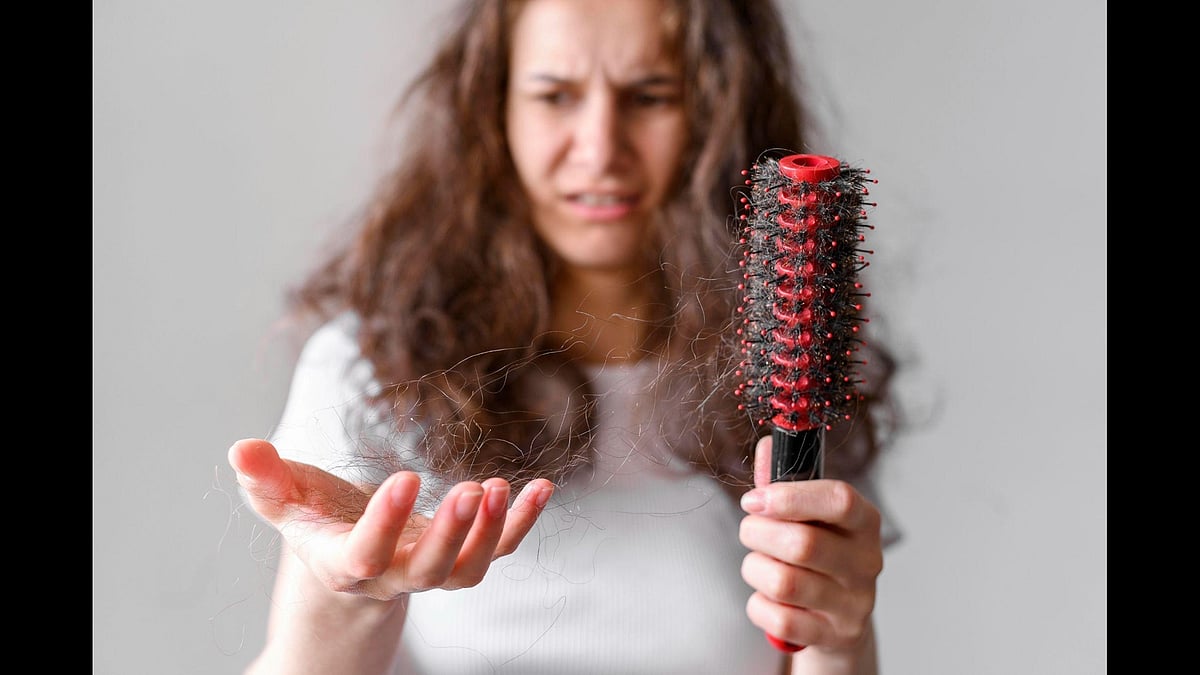
Hair fall is one of those problems that sneaks up on you. You notice a few extra strands on your pillow, then on your comb, then in the shower drain — and before long, it becomes something you think about every day. The frustrating part is that most people don't know where to start when it comes to actually fixing it. There's too much advice, too many products, and very little clarity on what actually works.
Understanding Why Hair Falls in the First Place
Before jumping to solutions, it helps to understand what's going wrong. Hair grows in cycles — a growth phase, a rest phase, and a shedding phase. Healthy hair spends most of its time in the growth phase. When something disrupts that cycle, more hair shifts into the shedding phase than it should.
Common triggers include:
Nutritional deficiencies, especially iron, zinc, and B vitamins
High stress levels, which push follicles into an early resting phase
Hormonal shifts, particularly changes in DHT (dihydrotestosterone)
Scalp conditions like dandruff or seborrheic dermatitis
Poor sleep and irregular routines
The reason this matters is simple: if you don't address the actual trigger, no shampoo or serum will give you lasting results.
Start With Your Diet, Not Your Shelf
Most people reach for a new hair product when they notice excessive shedding. But the scalp and hair follicles are fed from within. If your body is running low on key nutrients, the follicles are usually one of the first things to suffer — the body redirects resources to vital organs first.
Protein is the building block of hair. If you're not eating enough — whether through eggs, lentils, dairy, or lean meats — your hair structure weakens over time. Iron deficiency is another major culprit, especially in women, and it often goes undiagnosed. Getting a basic blood test to check ferritin and vitamin D levels is a good first step before assuming your hair fall is purely genetic.
Managing Stress Is Not Optional
Stress-related hair fall has a specific name — telogen effluvium — and it's more common than most people realize. When the body goes through prolonged physical or emotional stress, a large number of follicles simultaneously shift into the resting phase. The hair then sheds in bulk, usually two to three months after the stressful event.
This delay is why many people struggle to connect their hair fall to a cause. The hair they're losing now might be the result of something that happened months ago — an illness, a difficult period at work, a major lifestyle disruption.
Managing stress isn't just about meditation or breathing exercises, though those help. It's also about sleep quality, digital boundaries, physical movement, and maintaining some structure in your day. These things directly affect your hormones, and your hormones directly affect your scalp.
Be Gentle With What You're Already Losing
Mechanical damage is often overlooked. Brushing wet hair aggressively, using high heat frequently, tying hair too tightly, and over-washing can all accelerate shedding — especially when the follicles are already under stress.
Some simple shifts that make a real difference:
Switch to a wide-tooth comb for detangling
Let hair air dry instead of using high heat daily
Avoid tight hairstyles that pull at the roots
Wash hair two to three times a week rather than daily
Use a mild, sulphate-free shampoo if your scalp is sensitive
These don't fix the root cause, but they prevent unnecessary additional damage while your body heals.
When to Get Proper Help
If hair fall has been going on for more than three months, or if you're noticing visible thinning or a receding hairline, it's worth getting a proper assessment. This is where understanding how to stop hair fall through a structured, root-cause approach becomes important rather than trying random remedies.
Platforms like Traya work by identifying the specific internal and external factors behind your hair loss — whether that's hormonal, nutritional, or stress-related — and building a personalised plan around it. This kind of targeted approach tends to work far better than guessing.
Final Thoughts
Stopping hair fall isn't about finding the perfect product. It's about understanding what's driving the problem and addressing it consistently over time. The scalp responds slowly — most people need at least three to four months of the right approach before they see meaningful change. Start with the basics: check your nutrition, manage your stress, be gentle with your hair, and if things aren't improving, get a proper evaluation. Patience and the right information will take you further than any quick fix.