Shot On 35mm Celluloid, Tangled Wins For Best Cinematography
Kodak later featured the film, highlighting how the film used celluloid to support tone and character.
advertisement
In an era when shooting on film has become increasingly rare in short format storytelling, Tangled set itself apart, winning Best Cinematography at the Delhi Shorts International Film Festival. Shot on 35mm celluloid by the director of photography Simran Sawhney, the short stood out for its clarity of intention and the precision behind its visual choices.
Simran Sawhney is a Los Angeles based director of photography working across India and the United States, known for a visually rigorous, performance centered approach to storytelling and a body of work recognized across major international festivals. Her film Knock was selected as a finalist at the Bangalore International Short Film Festival, India’s Oscar qualifying festival. Her work on The Patricias’ earned the film a finalist spot at Flickers’ Rhode Island International Film Festival, an Academy Award and BAFTA qualifying festival. Most recently, her film Behind the Mask, developed with the Amazon Studios Grant screened at the prestigious AFI FEST.
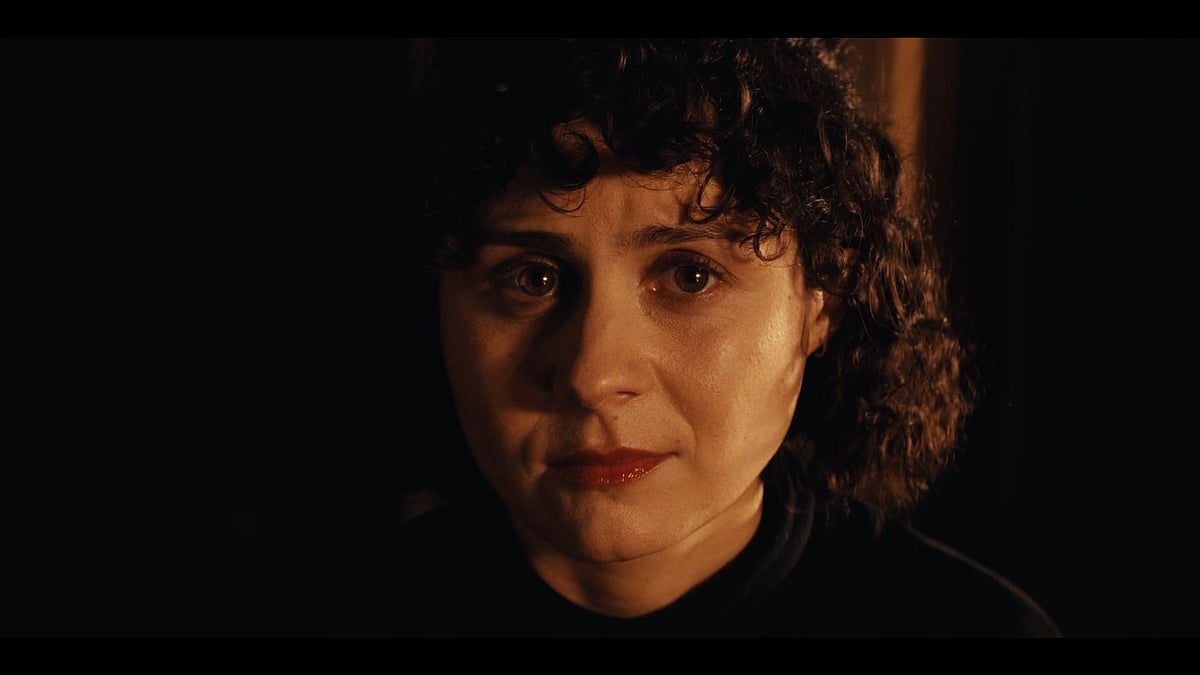
Simran Sawhney approached the film Tangled with a distinct goal: to centre the story in the quiet ritual of hair brushing, a familiar act in many Indian homes, and let that intimacy reveal what the character has been carrying alone. Rather than relying on overt cultural cues, she rooted the visuals in something far more personal: hair. In many Indian households, hair holds emotional weight, ritual, and inheritance, and she used that understanding to shape the film’s imagery, photographing the depth and movement of black hair with a sensitivity that digital formats rarely capture.
The decision to shoot on 35mm film shaped the look of Tangled in a way audiences responded to. The medium preserved texture and tone with unusual clarity, especially in the close, intimate moments of the story. The decision paid off. Kodak later featured the film, highlighting how the film used celluloid to support tone and character. For a distinguished director of photography working across India and the United States, the recognition underscored a craft shaped by discipline and intention.
At the Delhi screening, the response echoed that sentiment. Viewers and festival programmers responded not only to the story but to how the images carried it. Many remarked that the film broke traditional storytelling rules and created a form entirely its own, unlike anything they had seen on celluloid before.
For one of the few Indian women working internationally in cinematography, the award marks more than a festival achievement, signaling a strong presence and sustained accomplishment in a field long marked by underrepresentation.