How MGM Maran Connects The MGM Group's Legacy with Changing Market Needs
MGM Maran discusses how the MGM Group builds on its legacy while responding to changing market expectations.
advertisement
Building a business legacy over six decades requires more than entrepreneurial ambition. It demands the ability to recognise opportunities, respond to changing markets, and make decisions that support long-term growth. Established in 1963 by Chevalier Dr. M.G. Muthu, the MGM Group has evolved from its early beginnings in logistics into a diversified business conglomerate. Its development reflects the importance of combining entrepreneurial vision with an understanding of changing industry requirements.
“Never allow the values that built your legacy to become limitations to its growth. Preserve the principles that earned people's trust, embrace the opportunities that change brings, and build an organisation that is prepared for generations to come,” says MGM Maran.
The group's foundation lies in the entrepreneurial vision of Dr. M.G. Muthu, whose association with Chennai Port preceded the establishment of the organisation. His business philosophy was shaped by five fundamental principles: truth, hard work, simplicity, honesty, and faith. These values influenced the group's approach to business relationships, expansion, and social responsibility. Over time, its activities extended into different sectors, reflecting an entrepreneurial outlook that recognised opportunities beyond its original areas of operation. Alongside commercial development, initiatives supporting education, healthcare, and community welfare became part of the wider organisational legacy.
For MGM Maran, carrying this legacy forward involves understanding how established business principles can be applied to contemporary challenges. As the organisation operates across different industries, leadership requires an appreciation of the distinct demands of each sector. Changing consumer behaviour, emerging technologies, competitive pressures, and evolving market expectations all influence business decisions. Rather than viewing transformation as a departure from the group's traditional identity, the emphasis is on making its established strengths relevant to present-day requirements.
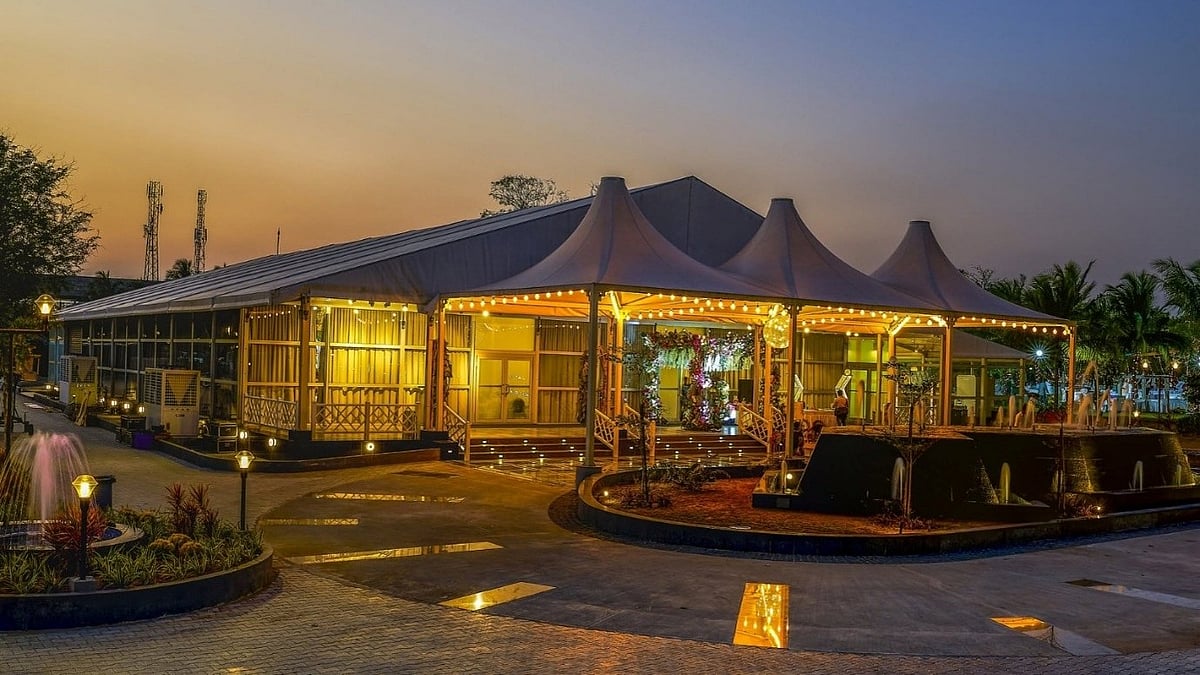
The MGM Group's presence across hospitality, entertainment, manufacturing, and logistics illustrates the scale and variety of its business interests. Through MGM Muthu Hotels, it has developed a hospitality presence focused on guest experiences and service quality. MGM Dizzee World represents its involvement in entertainment, offering recreational experiences for families and visitors. Its manufacturing and logistics operations, meanwhile, involve different priorities related to production, transportation, coordination, and operational efficiency. Managing these varied interests requires sector-specific strategies while maintaining consistency in the organisation's broader approach to business.
This perspective highlights the importance of flexibility in managing businesses that have developed over several decades. It also reflects the need for leadership to look beyond immediate commercial outcomes and consider the capabilities an organisation must build to remain competitive.
Technology is another important consideration in this process. Across industries, digital platforms and automation are changing how businesses manage operations, engage customers, and improve productivity. In hospitality, technology can support functions such as reservations, pricing, inventory management, and service coordination. These systems can improve operational efficiency while allowing employees to devote greater attention to guest interactions. MGM Maran's approach to this development has been associated with nuanced automation, where technology complements human capabilities rather than replacing the personal element of service.
As he explains, “Innovation should empower people and improve the way we serve our customers.” This approach places the purpose of technological adoption at the centre of business modernisation. Its relevance extends beyond hospitality, with logistics operations benefiting from improved route planning and coordination, while manufacturing can use automated processes and real-time monitoring to strengthen consistency. The objective is to identify practical applications that address operational requirements rather than adopt technology simply to follow industry trends.
For family-led enterprises, another important consideration is ensuring that organisational knowledge and values remain relevant across generations. The transition from a founder-led business to a professionally managed, diversified organisation involves more than continuity of ownership. It requires the development of leadership capabilities, effective management practices, and an environment where new ideas can contribute to the organisation's progress. In this context, MGM Maran's role represents the responsibility of connecting the founder's entrepreneurial vision with the expectations of a changing business environment.
The MGM Group's development since 1963 demonstrates how a strong entrepreneurial foundation can support diversification and expansion across generations. Its evolution also highlights that business continuity does not depend on preserving every existing practice. Instead, it requires identifying the principles worth retaining while remaining receptive to new approaches, technologies, and opportunities.
Ultimately, tradition and transformation can work together when guided by a clear understanding of an organisation's purpose. For MGM Maran, connecting the MGM Group's legacy with changing market needs involves maintaining the values that shaped its identity while recognising the importance of adaptation. This balance offers a relevant perspective on how established family businesses can approach growth, leadership, and long-term sustainability in an increasingly dynamic business landscape.