Job-Hopping, Freelancing, Side Hustles: The New Reality Of Work In India
How a term plan becomes that base layer that will keep your ambition from becoming your family’s burden.
advertisement
Back in the days, the Indian dream used to be simple. You land a secure job, stay there for thirty years and then retire with a gold watch and a steady pension. But that world is long gone.
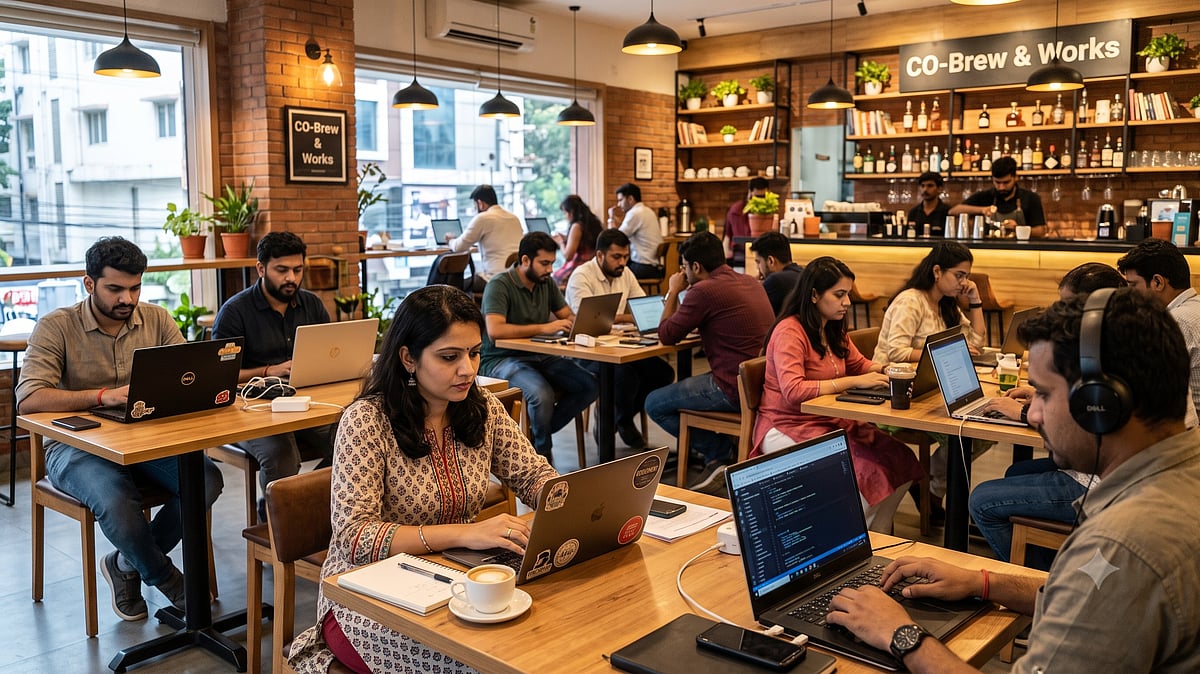
Today, if you walk into any coffee shop on a Tuesday morning, you’ll see the new face of India. It’s the freelancer working with global clients, the startup founder running an entire business from a laptop and a generation choosing flexibility over traditional careers. India is fast becoming a world leader in flexible work.
But this freedom comes with a hidden tax. In the race to build an impressive portfolio and escape the traditional 9-to-5, many of us are accidentally leaving behind the structural safety nets that our parents once relied on. When you combine the rising cost of urban living with the unpredictable nature of project-based work, being the primary earner in a household becomes a high-stakes gamble. If that income stream is cut off by an unforeseen tragedy, a family can lose its entire financial infrastructure overnight. This is especially critical for many young professionals today who carry debt (such as education loans, car EMIs, or home loans). If you are no longer there, these liabilities do not disappear. They fall squarely on your family’s shoulders.
This is exactly why modern financial protection needs to be reimagined. Pure-risk protection isn't something to put off until later in life, nor is it a secondary safety net. Instead, a pure term insurance plan acts as the vital core infrastructure of your career strategy. You pay a relatively small premium to ensure a large sum is protected for your loved ones. It is pure protection without the confusing fine print. It is the financial foundation that actually gives you the stability and confidence to chase your big career goals without leaving your family vulnerable. Let’s dig deeper into this.
Numbers don’t lie
The shift towards flexible careers is expanding faster than most people realize. According to data from Flexing It, the demand for independent consultants and project-based talent has jumped by 38% in 2025. Even in a cautious global market, this rate of growth is nearly double what we saw just a couple of years ago. In fact, a study by NITI Aayog suggests that this momentum isn't going to slow down. India’s gig workforce is on track to cross 23.5 million by 2030.
The invisible risk of the side hustle
The reality of being a solopreneur is that you are your own HR. For a 28-year-old developer moving between startups, financial planning often starts and ends with an SIP or crypto. Life insurance is usually dismissed as something that our dads did or something to worry post 40. However, the math in 2026 no longer allows you to take that approach.
Is India’s middle class silently losing its grip on financial security? The markers of a comfortable life, whether it is supporting a larger family, caring for elderly parents, or managing a single-income household, are becoming increasingly expensive. Relying on casual investments without a dedicated safety shield leaves your entire career journey unprotected.
The modern solution
As work culture changes, the way we protect our finances needs to change too. For today’s flexible workforce, HDFC Life Click 2 Protect Supreme Plus is a standout choice for anyone who is self-employed or frequently changes jobs.
Before you build your safety net, here is how this plan solves your problems:
The new reality of work
The new reality of work in India is exciting. It’s vibrant, it’s flexible and it finally puts you in the driver’s seat. But even the best drivers need to wear a seatbelt.
If you are part of India’s growing gig economy or a job-hopper, it’s time to check your safety net. Don’t wait for a company to provide you with security. Build your own. Because at the end of the day, the best part of being your own boss is knowing you’ve truly taken care of your people, both at work and at home.